

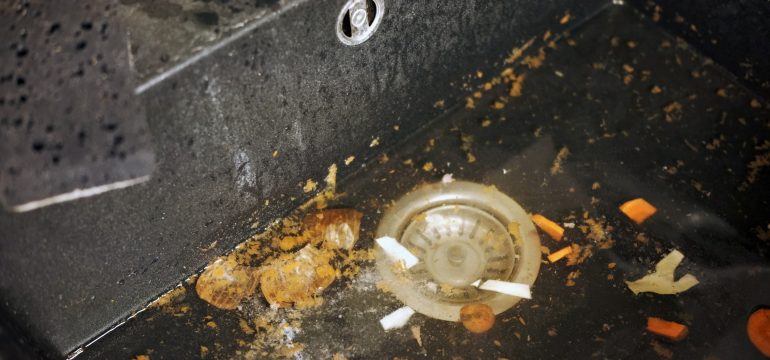
Every October, the UK-wide Unblocktober campaign raises awareness about safeguarding the nation’s sewers, drains and rivers from incorrect waste disposal. Although public awareness is crucial, commercial food service operations also play a major role in keeping drains free from a fat build-up.
Commercial kitchens naturally generate fats, oils and grease (FOG) on a large scale. Some of this can end up in drains, where it rapidly cools, coats pipe interiors and solidifies, forming a sticky layer that traps organic matter and debris. Left unchecked, what starts as a trickle of rinsed grease in a commercial kitchen sink quickly escalates into catastrophic sewer blockages downstream.
For hospitality operators, facilities managers and commercial food businesses, Unblocktober is a critical operational reminder to review kitchen workflows before an emergency strikes. Using Unblocktober as an annual review helps businesses to prevent emergency closures, protect infrastructure, reinforce kitchen discipline and ensure regulatory compliance.
This article covers:
- The operational, legal and financial risks of poor FOG management.
- The anatomy of a blockage: how FOG turns into fatbergs.
- Best practices for commercial kitchen waste management.
- How professional drain, kitchen and washroom cleaning services can help prevent fatbergs.
The operational, legal and financial risks of poor FOG management
Allowing fats, oils and grease (FOG) to accumulate in the drainage network isn’t just a minor maintenance oversight; it is an immediate threat to a food business’s bottom line, legal standing and operating license.
Operational crises and infrastructure damage
When liquid FOG enters pipework, it coats pipes, traps debris and causes blockages that can direct sewage back into food preparation areas, producing foul smells.
- Unscheduled downtime: A drainage blockage can halt kitchen operations, leading to closures during peak trading hours and revenue losses.
- Pest infiltration: Stagnant FOG and trapped organic waste provide ideal food sources and breeding grounds for drain flies, cockroaches and rodents.
- Drain failures: Continuous FOG build-up creates excess pressure on pipe joints, risking sub-floor leaks, water damage and costly structural repairs.
Legal liabilities and fines
- UK environmental and food safety laws consider improper FOG management a serious offence, placing strict legal responsibilities on commercial operators.
- Water Industry Act 1991 (Section 111): It is a criminal offence to discharge any substance into public sewers that interferes with wastewater flow. Water utilities investigate and prosecute offending businesses, recover clearance costs and impose heavy fines.
- Environmental Protection Act 1990 (Duty of Care): The Act mandates that businesses properly contain, store and dispose of FOG waste using licensed waste carriers. Failing to produce valid Waste Transfer Notes during the inspection can lead to fixed penalty notices or prosecution.
- Food Safety Act 1990 and Food Safety and Hygiene Regulations 2013: Environmental health officers (EHOs) can issue Hygiene Improvement Notices or serve Hygiene Emergency Prohibition Notices, which immediately shut down non-compliant kitchens.
Reputational damage and hygiene ratings
Poor drainage hygiene can significantly impact a venue’s reputation and commercial success.
- FSA Hygiene Ratings: EHOs evaluate grease traps, drain cleanliness and waste handling protocols during routine inspections. Poor drainage conditions can directly lead to downgraded Food Standards Agency (FSA) hygiene scores.
- Brand perception: In an era of online reviews, customer exposure to foul odours, temporary emergency closures, or pest sightings causes lasting damage to footfall and revenue.
The anatomy of a blockage: how FOG turns into fatbergs
Fatbergs form gradually through ongoing physical and chemical processes within underground drainage systems.
The solidification and accumulation process
When hot, liquid fats, oils and grease (FOG), such as cooking oils, butter, lard and sauces, are rinsed down commercial sinks, they enter the plumbing system as free-flowing liquids.
- Cooling and congealing: As liquid FOG travels through underground pipework, it rapidly cools, separates from water and congeals into a viscous, sticky coating along pipe walls.
- Trapping food waste: This gelatinous grease lining captures solid food scraps, coffee grounds and other organic debris washed down kitchen sinks. Over time, these trapped solids calcify with the grease, forming a hardened internal crust that progressively narrows the pipe’s flow capacity.
- Merging with flushed waste: As this commercial grease build-up escapes local property lines and enters municipal sewers, it collides with non-biodegradable items flushed from washrooms, such as wet wipes, paper towels and sanitary products. The sticky FOG binds these synthetic fibres into massive, solid masses, producing full-scale municipal fatbergs that choke urban wastewater infrastructure.
Overcoming the “out of sight, out of mind” mentality
Because drainage pipework is concealed beneath floorboards and stainless-steel counters, commercial kitchens often overlook drain maintenance. A small amount of oil rinsed off in a pot-wash sink, or a splash of grease swept into a floor drain, may appear insignificant at the time. But in a high-volume food service environment, these minor daily discharges compound exponentially:
- The cumulative effect of micro-discharges: If a single commercial venue allows just 250 millilitres of residual grease to wash down its sinks each day, that kitchen discharges over 90 litres of solidifying fat into the drainage system every year.
- The high street multiplier: When dozens of commercial kitchens in the same retail area neglect basic drain care, their combined daily grease output converges in shared municipal sewers, transforming small kitchen habits into major infrastructure failures.
Best practices for commercial kitchen waste management
Turning kitchen waste management from a reactive problem into a seamless, compliant process involves changing kitchen culture from reacting to issues to preventing them daily. When drain health is checked as regularly as fridge temperatures, the risk of operational problems significantly decreases.
Fostering a proactive kitchen culture
Overcoming the “out of sight, out of mind” mindset begins with leadership. Kitchen managers should view FOG management not as a burdensome task but as an essential part of food hygiene and station preparation. Consistent daily habits among staff are crucial to prevent FOG from entering wastewater systems, emphasising the importance of controlling grease at its source rather than facing problems such as sink backups during service.
Core operational habits
- “Scrape and dry-wipe” protocols: Require staff to scrape all solid food scraps into food waste bins and dry-wipe heavy grease from cookware with paper towels before washing dishes.
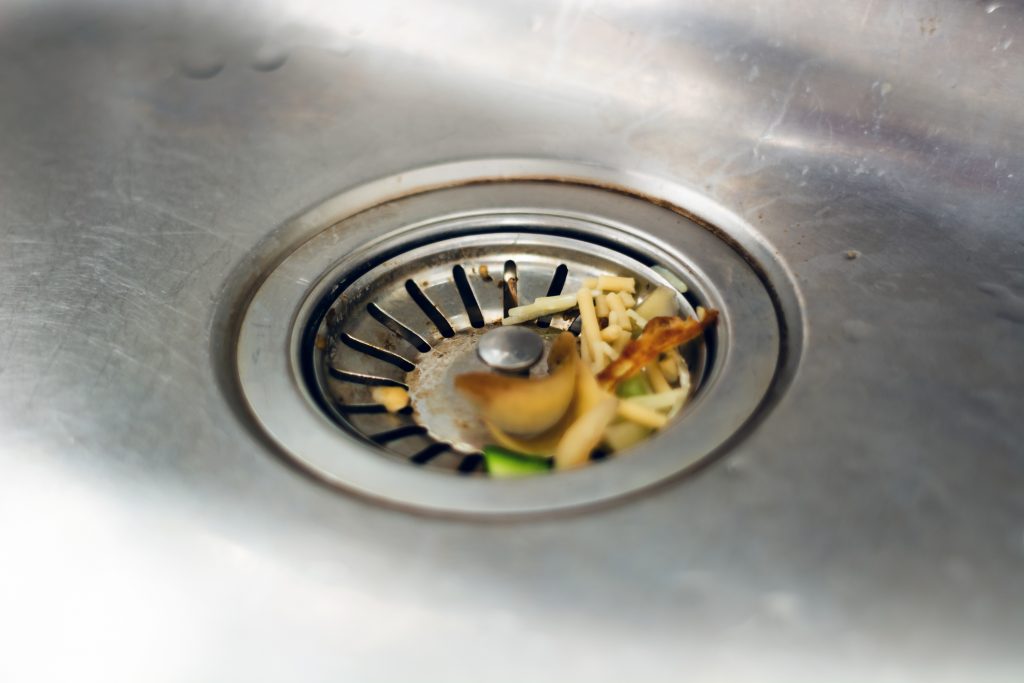
- Fit and maintain sink strainers: Install fine-mesh strainers across all prep sinks, pot-wash stations, and floor drains. Ensure strainers are emptied into waste bins rather than rinsed directly down the drain.
- Strict disposal prohibitions: Enforce a zero-tolerance policy for pouring waste cooking oil down sinks, and display clear signage in customer and staff washrooms prohibiting the flushing of non-biodegradable items such as wet wipes and paper towels.
- Audit-ready waste logs: Maintain up-to-date disposal logs tracking waste oil collections and grease management services. Transparent records ensure immediate readiness for Environmental Health Officer (EHO) inspections and demonstrate compliance with statutory Duty of Care requirements.
How can professional drain, kitchen and washroom cleaning services help prevent fatbergs?
While daily kitchen discipline stops most waste at the source, commercial output makes specialist technical interventions essential for long-term operational resilience.
Grease trap cleaning and waste removal
- Routine clearance: Sump and separator systems require scheduled, routine emptying to prevent saturated grease beds from discharging directly into local drainage systems.
- BS EN1825 design standards: Maintaining grease separators in full alignment with BS EN1825 standards guarantees that unit capacities match peak hydraulic flow rates, optimising fat-water separation efficiency.
- Compliant disposal: The collected FOG waste is handled exclusively by licensed waste contractors, providing complete Duty of Care documentation and legally compliant disposal records for local authority audits.
Drain blockage prevention and maintenance services
- High-pressure water jetting: Specialist high-pressure jetting strips congealed fat, heavy grease linings, and hard scale from pipe walls, restoring internal diameter and flow rates before emergency blockages develop.
- Planned preventative maintenance (PPM): Scheduled inspection and cleaning programmes replace unpredictable emergency callouts with fixed maintenance windows, maintaining clear drainage networks year-round.
Washroom deep cleaning
- Mitigating non-flushable hazards: Discarded washroom waste, including paper towels, wet wipes and sanitary products, frequently enters washroom pipework, where it catches on FOG deposits and chokes drainage lines.
- Total sanitary reset: Specialist washroom deep cleaning removes uric acid encrustations and organic build-up in toilet traps and waste pipes, restoring sanitary flow, eliminating deep-seated odours and delivering a hygienic reset.
Audit your premises for Unblocktober
Unblocktober is the ideal time to transition your business from reactive firefighting to proactive infrastructure care. Conducting a thorough site audit safeguards your operational uptime, protects your Food Standards Agency (FSA) rating, and ensures full regulatory compliance ahead of peak trading periods.
Your Unblocktober action plan:
- Audit internal kitchen workflows: Retrain kitchen staff on dry-wiping protocols, confirm that sink strainers are installed at all prep stations and ensure waste oil transfer logs are updated.
- Schedule grease trap maintenance: Inspect separator capacity and book routine clearance using grease trap cleaning and waste removal services to ensure legal disposal compliance.
- Clear sub-surface pipework: Eliminate congealed FOG linings before emergency blockages strike by booking high-pressure jetting via drain maintenance services.
- Execute a washroom reset: Address pipework build-up and non-flushable waste risks by booking a comprehensive reset with our washroom deep-cleaning solutions.
Partner with the specialists
Partnering with accredited specialists during Unblocktober turns a nationwide environmental campaign into a lasting commercial advantage for your food business. Rentokil Specialist Hygiene provides:
- RSPH-accredited specialists: Serviced by Royal Society for Public Health (RSPH) accredited technicians trained to execute complex specialist cleaning safely and efficiently.
- 24/7 nationwide coverage: Rapid-response and scheduled maintenance coverage provided 24 hours a day, 365 days a year across England, Scotland, and Wales.
- Regulatory assurances: Fully compliant commercial cleaning solutions tailored to safeguard Food Standards Agency (FSA) ratings and satisfy UK statutory water waste regulations.
Act now for Unblocktober
Don’t wait for a drainage disaster or an unexpected closure to disrupt your operations. Take proactive control of your kitchen’s FOG management today to safeguard your infrastructure, protect your hygiene ratings and ensure total regulatory compliance.
Frequently asked questions (FAQ)
Unblocktober is a UK-wide campaign held every October to raise awareness of safeguarding sewers, drains, and rivers from improper waste disposal. For commercial food businesses, it’s a critical operational milestone for auditing kitchen workflows and infrastructure. An annual review during Unblocktober helps operators prevent emergency closures, protect drainage infrastructure, reinforce staff discipline and ensure regulatory compliance before peak trading periods.
Improper fats, oils and grease (FOG) management carries severe risks under UK environmental and food safety laws:
– Water Industry Act 1991 (Section 111): Discharging substances that interfere with wastewater flow into public sewers is a criminal offence. Water utilities can prosecute, recover clearance costs, and impose heavy fines.
– Environmental Protection Act 1990 (Duty of Care): Failing to properly contain, store and dispose of FOG using licensed carriers, or failing to produce valid Waste Transfer Notes, can result in fixed penalties or prosecution.
– Food Safety Act 1990 and Food Safety and Hygiene Regulations 2013: Environmental Health Officers (EHOs) can issue Hygiene Improvement Notices or serve Hygiene Emergency Prohibition Notices, which immediately shut down non-compliant kitchens.
– Hygiene ratings and reputation: Poor drainage conditions and grease trap maintenance can downgrade Food Standards Agency (FSA) hygiene scores and cause lasting damage to customer footfall and brand reputation.
To prevent FOG build-up and keep drains clear, commercial kitchens should implement the following core daily habits:
– “Scrape and dry-wipe” protocols: Require staff to scrape solid food scraps into food waste bins and dry-wipe heavy grease from cookware with paper towels before washing.
– Fit and maintain sink strainers: Use fine-mesh strainers on prep sinks, pot-wash stations, and floor drains, and empty them into waste bins rather than rinsing debris down the drain.
– Enforce disposal prohibitions: Strictly prohibit pouring waste cooking oil down sinks and place clear signage in toilets to prevent flushing wet wipes, paper towels, and sanitary products.
– Maintain audit-ready waste logs: Track waste oil collections and professional grease management services to demonstrate compliance during inspections.