

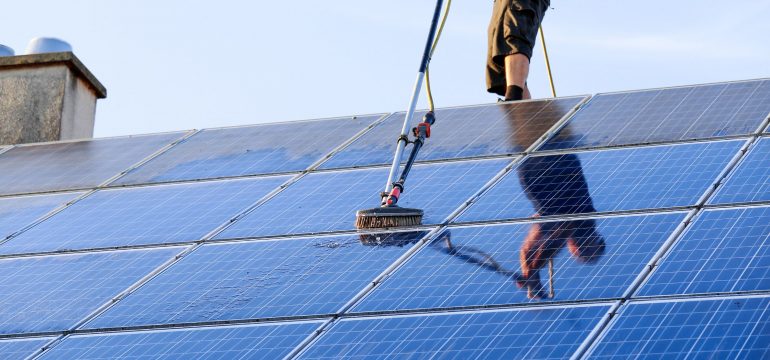
Installing solar panels is one of the most effective ways to reduce your energy bills. However, to recoup the initial investment as quickly as possible, it’s essential to keep the panels operating at peak performance. Over time, solar panels accumulate a layer of grime from urban pollutants, agricultural dust, bird droppings, and lichen.
This build-up reduces energy-generation efficiency and the return on investment. Although some people rely on wet weather to keep panels clear, rainfall lacks the pressure needed to rinse away stubborn residue and, when it evaporates, it leaves behind mineral deposits that attract even more dirt and accelerate performance loss.
The corrosive threat of bird guano
Bird droppings create dense patches of hard shading on the solar panels, preventing the underlying cells from absorbing sunlight and generating electricity to their full potential.
Bird guano is also corrosive. The acidic compounds in bird droppings corrode panel surfaces and components. The longer it is left on the panels, the more damage it causes and the harder it is to remove, leading to costly, premature panel repairs and replacements.
The risks of cleaning solar panels
Attempting to clean solar panels yourself does pose significant risks of personal injury and damage to the panels.
Personal injury
Scaling a roof without specialist safety gear presents a clear risk of falls from height. Furthermore, solar arrays remain electrically live while generating power, so tackling them without properly de-energising the system via rapid-shutdown switches or main breakers is an electric shock hazard.
Health hazards hiding in bird droppings
Cleaning off bird guano is more than a physical hassle; it also carries health risks. Accumulations of pigeon, gull, or sparrow droppings frequently harbour harmful fungal spores and bacteria. Scraping off or rinsing this dried waste without industrial-grade PPE can cause you to inhale airborne particles, putting you at risk of biological infections such as cryptococcosis, histoplasmosis or psittacosis.
Damaging quick-fixes to avoid and why
DIY methods can do more harm than good:
- WD40 & chemical cleaners: Spraying surfaces with WD40 leaves behind a sticky film that actively attracts airborne dirt, accelerating soiling and tanking system efficiency.
- High-pressure washing: Directing high-pressure water streams at delicate solar glass can break sealants, cause micro-cracks, or shatter the panels.
- Standard tap water: Rinsing with domestic tap water leaves behind hard-water mineral deposits that dry to a cloudy haze, reducing the amount of sunlight reaching the panels.
Why professional cleaning is the safest way to clean
Hiring accredited specialist cleaning professionals ensures your array is cleaned safely and thoroughly using industry-approved methods:
- Safety inspections: Technicians perform a full risk assessment before cleaning, checking for pre-existing panel damage and environmental hazards such as overhanging power lines. They also schedule the cleaning to avoid thermal shock damage caused by spraying cold water on glass heated by the sun during peak summer hours.
- De-ionised pure water systems: Specialists use purified, de-ionised water that dries clear without leaving mineral deposits or streaks, maximising light absorption.
- Specialised reach equipment & PPE: Trained crews use long-reach carbon-brush systems and full PPE, allowing them to effectively restore your array while working safely around high-voltage equipment at height.
How regularly should your solar panels be cleaned?
For most commercial and residential properties, a biannual cleaning schedule is the ideal frequency for maintaining maximum energy efficiency. This ensures seasonal grime, dust, and light debris are cleared before they significantly reduce energy generation.
However, panels situated in certain high-risk locations may require quarterly cleaning to maintain system efficiency. Such locations can include:
- Agricultural & farming areas: Dust generated during ploughing and harvesting seasons coats nearby solar panels.
- Construction sites & dirt roads: Ongoing construction work and unpaved roads produce continuous airborne particulate matter and fine dust that quickly settle on panel surfaces.
- Coastal & high-bird-density zones: Buildings near the coast or near popular bird roosting and nesting sites experience rapid, concentrated accumulation of bird guano.
- High-pollen environments: Locations near dense vegetation or woodland can experience a heavy pollen build-up during spring and summer, creating a film over the glass.
While a scheduled maintenance routine keeps performance stable, visible dirt deposits on your solar panels are a definitive sign that a cleaning is overdue. Having your solar array checked helps to ensure your panels operate at peak potential year-round.
Restore your solar efficiency with professional cleaning
Don’t let accumulated dirt, bird guano or urban pollution erode your energy savings. Safeguarding your panels and maintaining maximum electricity generation requires dedicated specialist care.
Rentokil Specialist Hygiene delivers a contractor-free service with fully uniformed, directly employed technicians in branded vehicles. From comprehensive pre-clean safety assessments, cleaning with de-ionised pure water and long-reach carbon brush systems, we ensure your panels are cleaned safely and effectively to maximise energy yield.
Ready to optimise your solar system’s performance and protect your long-term investment?
- Book a Free Survey: Visit the Rentokil Solar Panel Cleaning Service page to request a free, no-obligation site survey.
- Get 24/7 Expert Support: Call our specialist team directly or reach out online to arrange a scheduled maintenance contract or a one-off clean.
FAQs
No, rain lacks the necessary pressure to remove stubborn grime like bird droppings or lichen. When rainwater evaporates, it can leave behind mineral deposits that attract more dirt and lower performance.
Bird droppings cause hard shading that blocks sunlight from reaching solar cells. Furthermore, bird guano is highly acidic and can corrode panel surfaces and components over time if it is not removed.
It is not recommended. Products like WD40 leave sticky films that attract dirt, high-pressure washers can crack delicate glass, and tap water leaves mineral deposits. Cleaning panels at height without safety gear or proper de-energising equipment also presents serious fall and shock risks.
Most commercial and residential properties benefit from a twice-yearly cleaning schedule. However, properties near coastal areas, high-bird-density zones, agricultural farms, construction sites, or high-pollen environments may require quarterly cleanings.
Accredited professionals use purified, de-ionised water systems that dry without leaving streaks or mineral residues. They also employ long-reach carbon-brush systems and proper personal protective equipment (PPE) to clean safely and efficiently.