

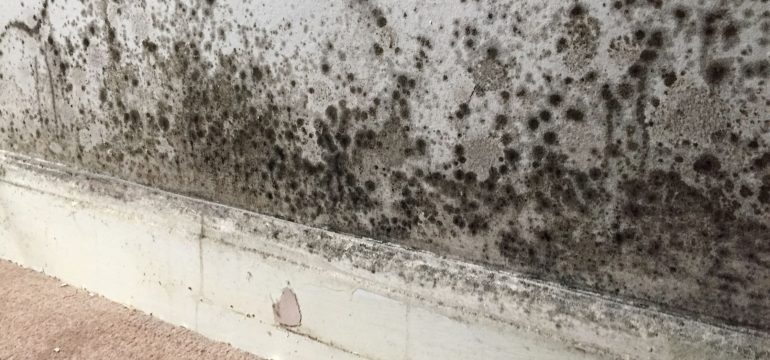
When black mould gains a foothold in a property, the immediate instinct is often to reach for bleach. While it may promise a quick, cosmetic fix, it is widely misunderstood as a definitive solution. In reality, bleach fails to address the root cause, trapping homeowners and property managers in a frustrating cycle of recurring mould growth. This article explains why bleach falls short and provides a clear roadmap for effective, long-term mould remediation.
What you will learn in this article
To help you protect your property and maintain a healthy living environment, this guide breaks down the science of effective mould remediation. Readers will learn:
- The true nature of black mould and what causes it to thrive indoors.
- The chemical nature of bleach and why it performs poorly on common building materials.
- The hidden risks of relying on bleach, including how it can accidentally make damp problems worse.
- Expert-recommended alternatives and long-term preventative strategies to keep mould away for good.
What is black mould?
Black mould is the dark, unsightly staining or patchy, fuzzy growth that appears on damp indoor surfaces. Rather than being a single type of organism, black mould is a broad, everyday term for a range of fungal species that display dark pigmentation when they colonise surfaces in a property (including Stachybotrys chartarum, Aspergillus niger, Cladosporium, Alternaria and Penicillium species).
Mould spores are naturally present in the air around us, invisible to the naked eye. They only become a problematic household issue when they find a specific set of indoor conditions that allow them to germinate. Indoor environments can provide everything mould needs to thrive:
- Nutrients: Mould feeds on organic matter found in common building materials, including plasterboard, wallpaper, timber, carpet and even paint finishes.
- Temperature: The standard, warm ambient temperature of a lived-in home is ideal for fungal reproduction.
- Moisture: Without a consistent source of moisture or high humidity, indoor mould cannot grow or sustain itself.
The crucial role of condensation
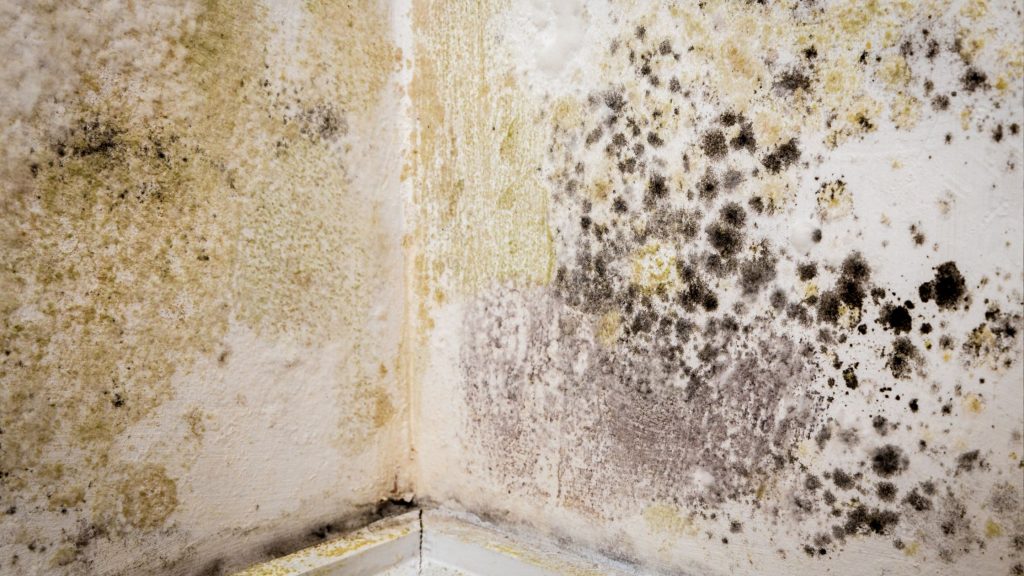
In the vast majority of UK properties with mould, its growth is triggered by everyday activities that cause condensation.
Daily activities such as showering, cooking, boiling kettles and drying clothes indoors release significant amounts of moisture into the air. When this warm, moisture-laden air hits a cold surface, such as an uninsulated external wall, a window pane or a cold corner behind a wardrobe, it cools down rapidly.
This creates two problems.
- Condensation: As air cools, it can no longer hold water vapour, which condenses into liquid droplets on the surface.
- Mould formation: If these surfaces suffer repeated condensation and remain damp for 24 to 48 hours or longer, they create a perfect, localised microclimate for airborne spores to anchor, root, and rapidly multiply into visible black mould colonies.
Why do people use bleach to remove mould?
When discovering black mould, the usual impulse can be to use household bleach due to its perceived benefits:
- Low cost and accessibility: It is inexpensive and readily available in shops.
- Instant cosmetic results: As a powerful oxidising agent, it removes black staining almost instantly, so surfaces appear pristine within minutes.
The disinfection deception
This rapid visual fix leads to the common misconception that disinfecting a surface is equivalent to removing the mould. While bleach sanitises surfaces, it fosters the false belief that a white, clean-looking area is free from mould growth.
How bleach works
To understand why bleach fails as a long-term mould solution, it helps to examine how it interacts with surfaces and microorganisms.
The chemistry of sodium hypochlorite
The active ingredient in standard household bleach is sodium hypochlorite, which is a highly aggressive oxidising agent. When it comes into contact with organic matter, it breaks down chemical bonds, effectively destabilising the cellular structure of microorganisms.
Bleach as a disinfectant and whitening agent
Bleach operates as both a disinfectant and a whitening agent:
- As a whitening agent, bleach alters or breaks the chemical bonds within chromophores — the parts of molecules that absorb light and reflect colour. By destroying these bonds, it strips away the dark pigmentation of black mould, turning it white and effectively making it invisible to the naked eye.
- As a disinfectant, it can rapidly kill surface bacteria and viruses by denaturing their essential proteins and disrupting their cellular functions.
The differences between cleaning, disinfecting and removing mould
These terms are often used interchangeably, but they represent different chemical and physical processes:
- Cleaning: The physical removal of dirt, grease and loose organic debris from a surface, typically using water and detergents. While it clears away top-layer grime, it does not necessarily kill pathogens.
- Disinfecting: This process uses chemicals to kill microscopic pathogens on a surface. However, it does not physically wash the structural residue away or tackle deeply embedded fungal networks.
- Removing mould: This requires eliminating the fungal colony. It means destroying or physically extracting both the visible surface growth and the invisible root structures beneath to ensure the organism cannot regenerate.
Why does bleach perform well on non-porous surfaces?
Bleach isn’t completely without its uses; it simply requires a specific environment to be effective. It performs exceptionally well on non-porous surfaces such as glass, glazed ceramic tiles, porcelain and sealed acrylics.
Because these materials are solid, they prevent liquids from penetrating beneath their surface, so any mould growth is forced to remain at the surface. When you apply bleach to these areas, the sodium hypochlorite makes direct contact with the entire mould structure. It successfully disinfects the material and chemically erases the stain in one clean sweep. However, household environments are rarely made entirely of non-porous materials.
Why does bleach not work on most household black mould?
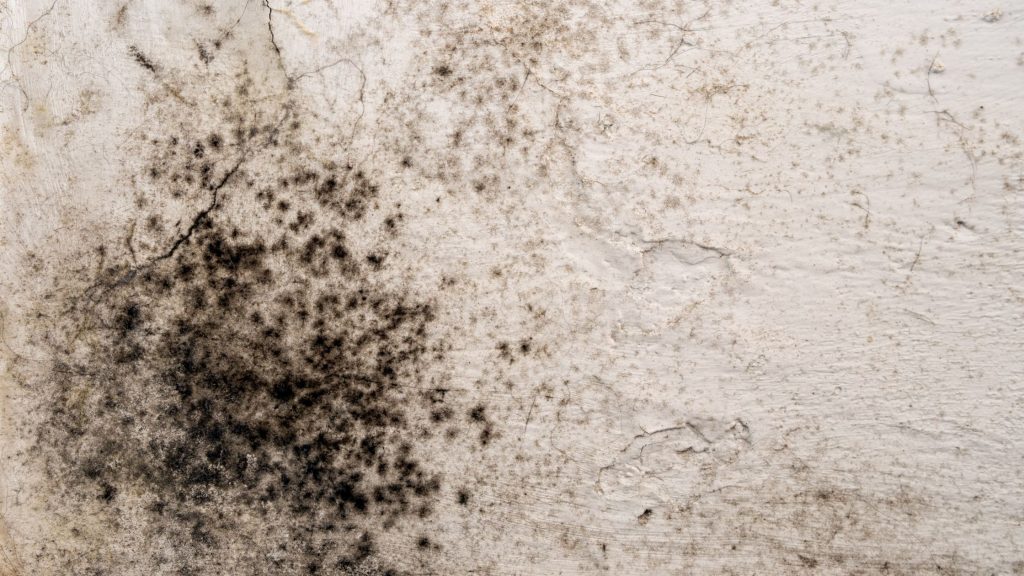
For landlords, property managers and homeowners, relying on bleach for long-term mould remediation is a losing battle because of how household materials are constructed and how mould grows.
Porous building materials absorb water
Unlike smooth, non-porous surfaces like glass or metal, the vast majority of fixtures and structures inside a property are highly porous and easily absorb water and liquids.
Common porous materials found in UK homes include:
- Plasterboard
- Painted walls
- Wallpaper
- Timber
- Ceiling plaster
- Grout
When you spray bleach onto these surfaces, the chemical composition works against you. Household bleach is primarily made of water mixed with sodium hypochlorite. Because of its chemical structure, the sodium hypochlorite remains trapped on the surface while the porous material absorbs the water.
How can bleach make mould problems worse?
Relying on bleach to treat black mould on porous surfaces often creates a counterproductive cycle. Rather than solving the issue, bleach application can inadvertently accelerate mould regrowth and mask underlying structural problems. Here is why using bleach can exacerbate the situation:
- Mould regeneration: Because bleach cannot penetrate porous surfaces, it leaves deep-set fungal ‘roots’ (hyphae) unharmed. These roots survive the chemical application and thrive, often causing mould to reappear worse than before.
- Feeding the root system: Household bleach is mostly water. While the bleaching agent evaporates from the surface, the water is absorbed into materials such as plasterboard or wood, providing the moisture needed for mould to grow back stronger.
- Masking underlying issues: The temporary whitening effect can hide symptoms, leading homeowners, residents or landlords to overlook the true cause, such as leaks or structural condensation. This delay allows the underlying damp problem to worsen.
- The trap of repetition: Relying on bleach creates a counterproductive cycle of repeatedly spraying the same area without ever addressing the root moisture source.
- Property damage: Due to its high corrosivity, regular bleach use can degrade paint finishes and permanently damage surrounding materials such as carpets, timber and fabrics.
The health and safety risks of using bleach
Bleach is a harsh, corrosive chemical that poses significant health risks. When using it, you must be aware of the potential dangers and follow strict safety protocols to avoid injury.
Health hazards
- Physical irritation: Bleach is a corrosive substance. Splashes can cause painful skin irritation, chemical burns and severe eye inflammation.
- Respiratory risks: Pungent fumes can irritate the respiratory tract, causing coughing or chest tightness. These risks are significantly higher in poorly ventilated spaces, such as windowless bathrooms.
NEVER MIX BLEACH: Never mix bleach with vinegar, ammonia or other acidic cleaners, as this releases highly toxic chlorine or chloramine gas, which can be life-threatening.
Safe handling protocols
- Protective gear: Always wear rubber gloves, eye protection and long sleeves to prevent accidental contact.
- Ventilation: Maximise airflow by keeping windows wide open and running mechanical extractor fans during and after use.
- Secure storage: Keep containers tightly capped in a cool, well-ventilated area that is completely out of reach of children and pets.
How to eliminate black mould without bleach
Change the focus from cosmetic camouflage to physical elimination and environmental control.
Direct and safe removal
For small, localised areas of contamination, the focus must be on clearing away the fungus without damaging the building fabric:
- Use proper cleaning agents: Clean small areas with a simple detergent solution, or use specialist mould removers formulated to safely eliminate fungal structures.
- Dry surfaces completely: Once the mould has been cleaned away, thoroughly dry the surfaces. Leaving any residual dampness behind provides the surviving roots with the exact tool they need to regenerate.
Eliminate the source of black mould
To prevent black mould from making a swift return, make the indoor environment unwelcoming to fungal spores. This requires a proactive, three-pronged strategy focused on ventilation, humidity control, and ongoing property maintenance.
1. Improve ventilation
Proper airflow is vital because it carries damp, stale air out of the building before moisture can condense on cold surfaces.
- Extractor fans: Ensure high-performance mechanical extractor fans are installed, operational, and used consistently in high-moisture zones such as kitchens and bathrooms during and after use.
- Trickle vents: Keep background trickle vents on window frames open continuously (if you have them) to allow a safe, steady stream of passive airflow throughout the day.
- Opening windows appropriately: Develop the habit of opening windows briefly to create brief cross-ventilation, particularly in bedrooms during the morning and after moisture-heavy activities like showering or cooking.
2. Reduce indoor humidity
Lowering the overall water vapour content in the air makes it difficult for airborne mould spores to find enough moisture to germinate.
- Dehumidifiers: Use portable dehumidifiers in poorly ventilated rooms, basements, or areas with chronic moisture to actively pull water from the air.
- Drying clothes carefully: Avoid draping wet laundry directly over radiators, which rapidly spikes indoor humidity. Instead, use a drying rack in a closed room with an open window or a dehumidifier running nearby.
- Managing moisture-producing activities: Keep lids securely on pots and pans when boiling food on the hob, and always wipe down wet shower screens and tiled walls immediately after use.
3. Maintain the property
Internal habit changes can only do so much if structural defects are actively inviting moisture into the building fabric.
- Repair leaks promptly: Regularly inspect pipework, roofing, flashings and external brickwork to ensure any structural water ingress or plumbing leaks are resolved immediately.
- Improve insulation: Upgrading the building’s insulation, such as installing cavity wall insulation, loft insulation or high-quality insulated windows, helps keep internal walls and ceilings much warmer.
- Reduce cold surfaces: Enhancing insulation directly reduces the cold surfaces that encourage condensation, cutting off the microclimates that black mould needs to thrive.
When professional intervention is needed
While minor surface mildew can often be managed with everyday maintenance, recognising when to step back and call in the experts is vital to protecting both the building fabric and occupant health.
- Mould covering large areas: If the mould infestation covers a significant surface area (typically anything larger than one square metre), attempting to clean it yourself can release dangerous concentrations of airborne spores into the property.
- Repeated mould growth: If you have thoroughly cleaned an area and adjusted your ventilation habits, yet the black patches keep aggressively returning, it indicates a deeply entrenched contamination that surface cleaning cannot fix.
- Flood or water damage: Fungal growth resulting from sewage back-ups, burst internal pipes, or environmental flooding requires specialised sanitisation and industrial-grade drying equipment to ensure the structure is safe.
- Mould inside walls or insulation: When the infestation has bypassed the surface and is actively growing inside wall cavities, behind plasterboard or within insulation layers, it requires professional containment and structural removal.
- Persistent dampness with no obvious cause: If a room feels chronically damp, smells musty or shows continuous mould growth but you cannot identify a clear source of moisture, an expert is needed to diagnose hidden issues like rising damp or subterranean leaks.
Tired of fighting a losing battle against black mould?
Stop masking the symptoms with bleach and address the root cause today. If you’re struggling with persistent damp or recurring mould growth, our expert team is here to help restore a safe, healthy environment in your property.
FAQs
Bleach only whitens the surface and does not penetrate porous building materials (like plaster or wood). This means it fails to kill the deep-seated fungal roots, often causing the mould to grow back worse than before while feeding the roots with the water content in the bleach.
Yes, bleach is corrosive and can cause skin irritation, chemical burns and eye inflammation. It also releases fumes that can irritate the respiratory tract. Crucially, it must never be mixed with other household cleaners, as this creates toxic gases.
For minor patches, use a detergent solution or a specialist mould-removal product to physically remove the fungus. After cleaning, it is essential to dry the surface completely to remove the moisture that mould needs to survive.
Preventing mould requires controlling moisture. Focus on improving ventilation (using extractor fans and opening windows), lowering humidity with dehumidifiers, and addressing structural issues such as pipe leaks or poor insulation that cause condensation.
You should seek professional help if the mould covers more than one square metre, keeps returning despite cleaning, is located inside wall cavities or insulation, or results from major water damage such as flooding.