

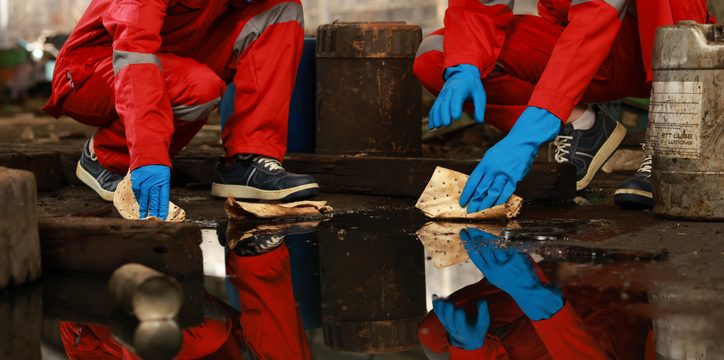
Oil spills are a persistent, high-stakes threat in industrial and commercial environments. Whether it’s a minor hydraulic leak on a factory floor, a fuel spill at a logistics depot, or a grease contamination in a commercial kitchen, an unmanaged spill is rarely just a clean up issue; it is a significant operational, safety and environmental liability.
Beyond the immediate risk of workplace slips, trips and injuries, failing to contain oil spills correctly can result in costly production downtime, damage to infrastructure and severe penalties for environmental non-compliance. For UK businesses, the stakes are high: stringent regulations from the Health and Safety Executive (HSE) and the Environment Agency mean that professional remediation is often not just a precaution, but a legal necessity.
In this guide, we explore the most common sources of industrial oil spills, the critical risks they present to your operations, and the best-practice protocols for containment. Most importantly, we identify when the complexity of a spill requires the technical expertise of professional specialist cleaners, such as Rentokil Specialist Hygiene, to restore site safety and ensure full regulatory compliance.
- Heavy machinery and production floors
- Vehicle fleet and logistics operations
- Construction sites
- Traffic accidents and roadside oil spills
- Heating oil tanks on domestic and commercial properties
- Oils in commercial kitchens and food processing
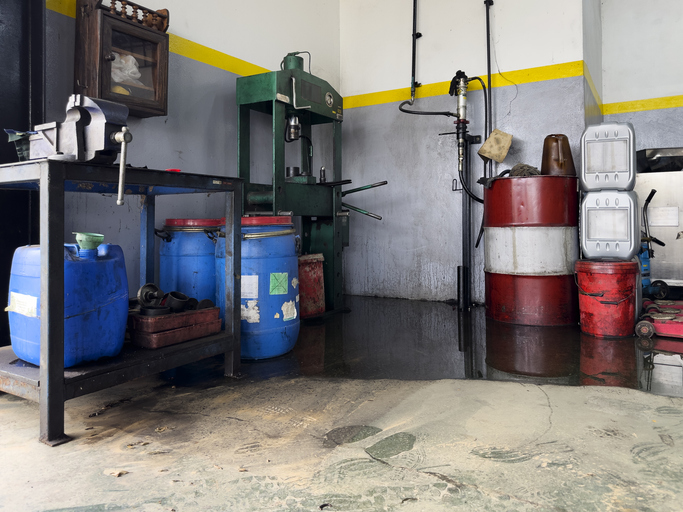
1. Heavy machinery and factory floors
Industrial manufacturing floors are high-stakes environments, where a machine line leak is an immediate threat to operational efficiency, worker safety and regulatory compliance.
Types of machinery oils
Industrial spills typically involve high-viscosity, chemically complex liquids designed to withstand extreme heat and pressure. These include:
- Heavy machinery lubricants and gear oils.
- Cutting fluids and the coolants used in CNC (computer numerical control) machining and metalworking.
- Way lubricants that form sticky, resilient films on mechanical tracks.
Why the speed of the clean-up is critical
- The cost of downtime: In a manufacturing facility, a major oil spill can force a complete halt to an automated assembly line, costing £1000s for every minute machines sit idle.
- The spreading nightmare: If an industrial spill isn’t contained within minutes, forklift tyres and worker boots can spread the oil across the facility.
- Health and “safety at work” violations: Employers are legally required to prevent slips, trips and falls, which means keeping floors clean and dry. Failing to manage a known oil leak can result in costly legal issues, especially if it leads to a recordable workplace injury.
Clean-up procedure:
- 1. Isolate: Shut down machinery using Lockout/Tagout (LOTO) procedures to ensure safety.
- 2. Contain: Deploy spill kit booms around the perimeter to prevent the oil from reaching drains or watercourses.
- 3. Absorb: Cover the spill with appropriate granular absorbents (clay or cellulose).
- 4. Clean: Work in the absorbent with a stiff-bristle broom. Sweep up the material and treat any remaining sheen with an industrial degreaser.
- 5. Dispose: Store contaminated waste in UN-approved, labelled hazardous waste drums. Ensure compliance with UK hazardous waste regulations by using a licensed waste carrier and maintaining a consignment note. Log the incident with your HSE or Environmental Officer.
When to call the specialist cleaners
Call in professional cleaners when the spill volume exceeds the capacity of internal spill kits or threatens critical production downtime. Professional intervention is essential if the substance is chemically complex, requires industrial-grade degreasers for safe removal, or if the waste disposal requirements (such as handling hazardous lubricating oils) necessitate a licensed carrier and documented consignment notes to maintain regulatory compliance.
2. Vehicle fleet and logistics operations
Transport depots, logistics hubs, and commercial fleet facilities are critical infrastructure components within the supply chain. These environments present a high risk of vehicle fluid releases due to the volume of light commercial vehicles, heavy goods vehicles (HGVs), and material-handling equipment in operation. A failure in primary containment, such as a ruptured fuel line or a refuelling incident, can lead to significant operational disruption and statutory liability.
Types of vehicle oils
Fleet operations involved the management of a diverse range of hazardous substances that require specific containment and remediation strategies based on their chemical properties and mobility:
- Diesel fuel: Frequently released during refuelling or via mechanical damage to fuel tanks. Diesel possesses low volatility and can persist on surfaces, creating long-term slip hazards.
- Petrol: High-volatility fuel requiring immediate isolation due to its low flashpoint and the risk of explosive vapour accumulation.
- Engine lubricants: Chronic leaks can cause structural degradation of asphalt binders if not managed through proactive maintenance.
- Hydraulic fluids: High-pressure releases from tail lifts or loading dock levellers that can result in rapid, wide-area contamination.
- Transmission and brake fluids: Low-viscosity liquids that migrate rapidly across hardstanding areas, necessitating immediate containment.
Regulatory and environmental risks
- Health and Safety Executive (HSE) compliance: Under the Health and Safety at Work Act, employers have a statutory duty to manage slip and trip risks. Fluid releases on concrete or asphalt must be remediated to prevent workplace injuries.
- Fire and explosion hazards: Compliance with DSEAR (Dangerous Substances and Explosive Atmospheres Regulations 2002) is mandatory for petrol releases to mitigate the risk of ignition and ensure site safety.
- Environmental protection and Environment Agency guidelines: In accordance with the Environmental Permitting Regulations and GPP 5 (works and maintenance in or near water), businesses must prevent hydrocarbons from entering surface water drains. The Environment Agency and local water authorities enforce strict penalties for watercourse pollution.
- Soil and groundwater remediation: Unchecked migration into unpaved ground or through structural cracks can lead to land contamination, necessitating expensive remediation under Part 2A of the Environmental Protection Act 1990.
- Business continuity and liability: Beyond the immediate clean-up costs, oil spill incidents can result in bay closures and delivery delays. Demonstrating a “Duty of Care” through professional response protocols is essential for insurance and audit purposes.
The clean-up procedure for transport spills
1. Assess and isolate: Immediately ban ignition sources and stop vehicle movement. Assess spill volume and contact emergency remediation if beyond onsite capabilities.
2. Contain: Prevent runoff into watercourses. Immediately deploy magnetic covers or booms over storm drains. Ensure yard interceptors are not overwhelmed.
3. Absorb: Deploy hydrophobic (oil-only) sorbents. For petrol, use non-sparking tools to minimise vapour risks.
4. Clean: Remove bulk liquid and degrease surfaces using biodegradable agents. Capture all wash-water—never allow residue to enter the drain system.
5. Comply and log: Dispose of saturated materials via a licensed waste carrier using required consignment notes. Log the incident in full to demonstrate compliance with UK Duty of Care and environmental auditing standards.
When to call in specialist cleaners
Engage specialist cleaners when a fluid release, such as diesel or petrol, creates a wide-area contamination risk or poses a high risk of runoff into storm drains. Professional support is necessary when the incident requires advanced hydrophobic recovery, compliant hazardous waste disposal, or when you need to demonstrate professional “Duty of Care” remediation for insurance, audit purposes, or to avoid statutory penalties from environmental agencies.
3. Construction sites
Unlike a controlled factory floor or a paved logistics yard, a construction site is a dynamic, shifting environment directly exposed to the elements. There are no smooth concrete floors or designated drainage grates here, just open earth, heavy plant machinery and tight project deadlines. When an oil spill occurs on a construction site, it is an environmental emergency.
Oil spill risks from heavy plant and temporary storage
Construction sites rely heavily on mobile power and massive mechanical force, creating multiple high-risk spill points:
- Diesel spills from excavators and generators: Mobile generators run 24/7, and excavators require frequent refuelling. Refuelling on uneven, muddy ground from mobile fuel bowsers is a prime recipe for overfills and accidental spills.
- Hydraulic hose failures: Heavy machinery operates under immense pressure. A single ruptured hydraulic line on a digger or crane can atomise and spray large amounts of toxic fluid across a wide radius in seconds.
- Lubricant leaks from plant machinery: Constant wear and tear on tracks, gears and engines leads to slow, undetected leaks of heavy engine oils and lubricants directly into the dirt.
- Fuel storage tank leaks: On-site temporary bulk fuel storage tanks or bowsers can leak due to poor positioning, mechanical damage from site vehicles, or even overnight vandalism.
Risks of shutdowns, fines and pollution
- Groundwater contamination: Unprotected, unpaved earth acts like a giant sponge. Spilt diesel or oil sinks rapidly through the topsoil, potentially reaching underlying groundwater aquifers. Cleaning this up later requires incredibly expensive, deep-soil remediation.
- Watercourse pollution: Heavy rain can transform a minor oil patch into a major disaster. Runoff washes hydrocarbons off the site and straight into nearby ditches, streams, or rivers, creating highly visible oil sheens that devastate local wildlife.
- Regulatory enforcement action: Environmental protection agencies have a zero-tolerance policy for construction site pollution. A failure to contain a spill can result in massive corporate fines and personal criminal liability for project managers.
- Costly site shutdowns: Regulatory bodies have the authority to issue immediate “stop-work” notices. If your site is shut down for an environmental investigation, the compounding costs of missed deadlines, idle labour, and equipment rental can easily break a project’s budget.
- Worker injuries: Construction sites are already inherently hazardous. Oil-slicked ladder rungs, greasy excavator steps, or mud mixed with hydraulic fluid create a severe risk for slips, trips, and catastrophic falls from height.
Clean-up procedure for construction site spills
1. Stop and notify: Shut down machinery, address leaks using wooden plugs or putty, and immediately notify the site manager or HSE officer.
2. Contain: Use an excavator or hand tools to create an earth bund or berm downgradient of the spill to prevent runoff into watercourses.
3. Absorb: Deploy “oil-only” hydrophobic sorbents from site spill kits into the containment area to soak up hydrocarbons.
4. Excavate: Mechanically remove contaminated soil (classified as hazardous waste) until clean ground is reached to ensure full remediation.
5. Dispose: Store waste in labelled, UN-approved containers. Use a registered waste carrier and ensure a fully compliant waste consignment note is provided, in accordance with UK Duty of Care regulations.
When to call specialist cleaners
Call in specialists immediately if oil has penetrated unpaved ground or threatens to reach groundwater/watercourses, as this requires advanced soil remediation beyond standard site equipment. Professional expertise is also vital if the spill risks a regulatory “stop-work” notice, involves complex machinery hydraulic failures that have atomised toxic fluid over a large area, or when the site safety protocols are insufficient to mitigate catastrophic slip risks
4. Traffic accidents and roadside oil spills
Roadside oil spills can cause chaotic, fast-moving emergencies. Whether it’s a minor collision involving a van or a major highway incident involving an HGV, a ruptured or corroded fuel tank, badly fitted filler cap, or a cracked oil pan, a spill instantly transforms a road into a hostile environment. For highway authorities and emergency responders, the priority is to clear the hazard, protect the environment and reopen the road as fast as possible.
The toxic mix of vehicle oils
Vehicle collisions rarely release just one fluid. Instead, responders are usually faced with a hazardous cocktail thrown onto the road surface under intense friction and heat:
- Diesel and petrol: Large volumes can be released rapidly from ruptured fuel tanks.
- Engine oil: High-viscosity, slick oil from cracked engine blocks or oil pans.
- Coolants and transmission fluids: Low-viscosity fluids that spread quickly across graded road surfaces.
The risks of roadside spills
- Immediate secondary collisions: A single litre of oil or diesel can spread across multiple lanes, drastically reducing tyre traction. This creates an immediate risk of hydroplaning and pile-ups.
- Chemical degradation of asphalt: Asphalt is held together by a bitumen binder, which is dissolved by diesel and petrol, causing the road surface to soften and crumble, and requiring costly complete resurfacing.
- Direct-to-waterway runoff: Roadside storm drains lead directly into local rivers, streams and groundwater. A single heavy downpour can wash a roadside oil slick straight into surrounding watercourses, potentially requiring an environmental investigation and fines.
Clean-up procedure for roadside spills
Follow these steps to ensure safety and compliance with both the Highways Act 1980 and Environment Agency GPP 22 guidelines:
1. Secure the area: Establish traffic management (cones/signage). Ensure responders wear high-visibility PPE and safety boots. Eliminate ignition sources immediately if flammable fuel is present.
2. Protect drains: Immediately deploy magnetic covers or polyurethane mats to seal gully grates. If unavailable, use oil-only absorbent booms to seal the perimeter.
3. Absorb: Apply high-capacity granular absorbents. Work into the tarmac with stiff brooms to lift oil from pores, then sweep up saturated material promptly.
4. Clean and recover: Use a pH-neutral, biodegradable degreaser to restore surface friction. Ensure all washwater is captured via a wet-vacuum system; never allow residue to enter storm drains.
5. Dispose: Treat all collected waste as hazardous. Ensure removal by a licensed carrier with valid consignment notes, in accordance with UK Duty of Care regulations for hazardous waste.
When to call specialist cleaners
Specialist cleaners should be mobilised when a vehicle collision results in significant fuel loss that poses a secondary collision risk or threatens to compromise the asphalt binder. Specialists are required to rapidly restore road friction, prevent environmental pollution through professional drainage defence, and manage the complex logistics of compliant waste removal in a public, high-traffic environment governed by the Highways Agency (Highways Act) and Environment Agency guidelines.
5. Heating oil tanks on domestic and commercial properties
Whether managing a commercial facility powered by a centralised boiler room or a portfolio of residential rental properties, heating oil storage tanks represent a significant, localised environmental liability. A failure in a heating oil system can rapidly compromise the indoor air quality and structural integrity of a building.
Types of oil
Heating oil leaks generally stem from ageing tanks, cracked fuel feed lines or structural vulnerabilities at the filter and valve connections. The fluids involved typically include:
- Kerosene (called 28-second heating oil).
- Gas oil or diesel (35-second heating oil used in larger commercial boilers).
Risks from fuel oil spills
- Toxic fumes: Heating oil contains volatile organic compounds (VOCs). When a leak occurs in an enclosed space such as a basement, cellar or plant room, the fumes can build up rapidly. Inhalation can cause immediate headaches, nausea and dizziness.
- Rapid soil and groundwater migration: Heating oil is light and highly mobile. If a tank leaks outdoors, the fuel can sink straight through the topsoil and travel underground until it reaches the water table, creating an environmental hazard.
- Structural damage: If heating oil seeps into concrete foundations or under floorboards, it can degrade certain building materials and leave a permanent, toxic odour footprint that requires structural demolition to fix.
The clean-up procedure for oil tank spills
For minor, contained leaks on hard surfaces:
1. Stop and contain: Close the tank’s main isolation valve immediately. Use leak-sealing putty or drip trays to manage active drips.
2. Ventilate: For indoor spills, maximise ventilation. Use only explosion-proof mechanical extraction fans to clear toxic VOC vapours; avoid standard electrical fans due to the risk of ignition.
3. Protect the environment: Block nearby floor drains, sumps, or perimeter soil gaps using oil-only booms or sandbags to prevent runoff into watercourses.
4. Recover: Apply hydrophobic (oil-only) sorbents to capture fuel. Do not use water, as it may spread the contamination.
5. Dispose: Place all saturated waste in sealed, UN-approved, labelled hazardous waste containers. Use a registered waste carrier and ensure a waste consignment note is generated to meet UK Duty of Care obligations.
When to call professional cleaners
Professional cleaners should be called immediately if a leak creates hazardous concentrations of VOCs in enclosed spaces or if oil has leached into building foundations or external soil. Specialists are crucial for managing the health risks posed by toxic fumes through appropriate mechanical extraction and for performing deep-structural cleanup to prevent long-term odour damage and groundwater contamination.
6. Oil spills in commercial kitchens and food processing
The food service, hospitality and food manufacturing sectors face an equally disruptive threat from FOG (fats, oils and grease). Whether it is a busy restaurant kitchen, a corporate cafeteria, or a large-scale food processing plant, a major grease or oil spill can paralyse operations, compromise food safety and trigger severe regulatory penalties.
Edible oils and fats
Food-grade oil spills are unique because they often occur at high temperatures and change state as they cool. The primary offenders include:
- Vegetable oils: Corn, sunflower, palm and olive oils are used in high-volume cooking.
- Animal fats: Lard, tallow and bacon grease that liquify when hot but solidify rapidly as they cool.
- Deep fryer grease: Highly degraded, carbonised oil dumped during oil rotation or spilt during bulk oil transfer to recycling vats.
The risks in the food sector
- Severe slip-and-fall hazards: Commercial kitchens are fast-paced, high-stress environments where staff move quickly. Food-grade oil spreads into a micro-thin, incredibly slick film on kitchen tiling. Slips and falls are the leading cause of injuries in the hospitality sector, making unmanaged grease spills an immediate workers’ compensation and liability nightmare.
- Catastrophic fire risks: Kitchen oil can easily be spilt within proximity to open flames, high-temperature grills, and intense heat sources. A large grease spill can ignite instantly, overwhelming standard kitchen suppression systems and causing devastating property damage.
- Clogged drainage systems and “fatbergs”: When FOG enters a kitchen’s drainage system, it cools and solidifies inside the pipes. Over time, this grease binds with solid waste, creating massive blockages known as “fatbergs”. This results in foul-water back ups, disrupted operations, and emergency plumbing costs.
- Regulatory fines and closure notices: Environmental agencies and local water authorities strictly regulate FOG disposal. Allowing grease to enter the public sewer system or failing to properly maintain grease management systems can result in immediate, heavy fines, civil lawsuits, or forced closure by environmental health officers.
Clean-up procedure for FOG spills
Maintain compliance with UK food safety and environmental regulations (e.g. Water Industry Act) through a disciplined response:
1. Isolate: Evacuate the area and signpost the hazard. Allow hot oil to cool completely before handling to prevent burns and equipment damage. Eliminate nearby ignition sources.
2. Contain: Prevent grease migration toward prep areas or floor grates. Deploy absorbent barriers; seal floor drains immediately to prevent fats, oils and grease (FOG) from entering the sewer system.
3. Absorb: Do not use water, which spreads contamination. Apply food-grade spill powder or cellulose absorbents to solidify the spill into a scoopable paste.
4. Clean: Remove bulk waste with non-sparking tools. Scrub the surface with a heavy-duty, food-safe emulsifying degreaser and hot water to eliminate residue and restore floor traction.
5. Dispose: Store all contaminated waste in labelled containers. Use a licensed waste carrier and retain a waste consignment note to satisfy UK Duty of Care obligations. Ensure grease traps are serviced regularly by certified contractors to maintain statutory compliance.
When to call the specialist cleaners
Engage specialists when large-scale FOG spills threaten to enter drainage systems, causing “fatbergs” or blockages, or when grease presents an immediate fire risk that standard janitorial staff cannot safely manage. Expert deep cleaning is also required to maintain compliance with strict UK food safety regulations, ensure hazardous waste is properly disposed of, and perform certified maintenance on grease traps.
Case study: cooking oil spill at Thirsk Youth Club
A significant incident took place at the Thirsk Youth Club when a large container of waste cooking oil from an adjacent pub was overturned. This created an acute slip hazard and obstructed the club’s only way in. Rentokil Specialist Hygiene offered to clean up the spill for the club at no cost. Following a preliminary technical assessment by Sales Consultant David Franklin and Branch Manager Paul Casson, a decontamination protocol was developed. Due to the narrow access path, the team manually excavated the contaminated ground, applied a professional-grade emulsifying degreaser to the sub-base, and reinstated clean gravel to restore the facility’s perimeter. Find out more
Taking action on oil spills
Managing oil spills effectively is not just about having the right spill kits onsite; it is about having a robust, compliant and responsive strategy that protects your people, your assets, and the environment. While preventative measures and staff training are the first line of defence, some incidents require technical expertise beyond routine cleanup capabilities.
When a spill creates a significant safety hazard, threatens to breach environmental regulations, or disrupts critical operations, professional intervention is vital to ensure full remediation and compliance with UK legislation. Don’t leave your site exposed to the risks of prolonged downtime or regulatory enforcement.
FAQs
How should I dispose of materials contaminated by oil?
Oil-contaminated materials are classified as hazardous waste. You must store them in UN-approved, clearly labelled containers. Disposal must be handled by a licensed waste carrier, and you are legally required to maintain fully compliant waste consignment notes to prove your adherence to UK environmental regulations.
What measures can I take to reduce the risk of oil spills in my workplace?
Prevention is the most cost-effective strategy. Implement routine maintenance schedules for machinery and storage tanks, ensure all staff are trained in spill response protocols, and keep high-risk areas stocked with appropriate spill kits. For high-traffic areas or bulk storage, consider scheduled professional maintenance to identify and seal potential leak points before they become active hazards.
Why is it dangerous to ignore even minor oil leaks on site?
Even small leaks can escalate quickly. Beyond the immediate slip-and-trip hazard, minor leaks can migrate into porous surfaces, reach groundwater, or contaminate structural foundations, leading to long-term odour issues and expensive remediation. Furthermore, failing to address a known leak violates workplace safety standards and can result in recordable injuries and potential legal action.
What are my legal obligations regarding an oil spill clean-up in the UK?
UK businesses have a “Duty of Care” to prevent pollution and manage workplace safety. This includes adhering to Health and Safety Executive (HSE) standards for preventing slips and trips, and complying with Environment Agency guidelines (such as GPP 5) to prevent hydrocarbons from entering surface water drains. Failure to manage spills properly can result in significant corporate fines, criminal liability and costly site closure notices.
When should I call professional cleaners instead of handling an oil spill internally?
You should engage professional specialists when the spill volume exceeds your internal spill kit capacity, involves chemically complex substances, or poses a high risk of runoff into drains and watercourses.
Professional intervention is also essential if you require certified documentation for insurance audits, regulatory compliance, or if the cleanup requires hazardous waste disposal managed by a licensed carrier.