

(Reading time 5 minutes)
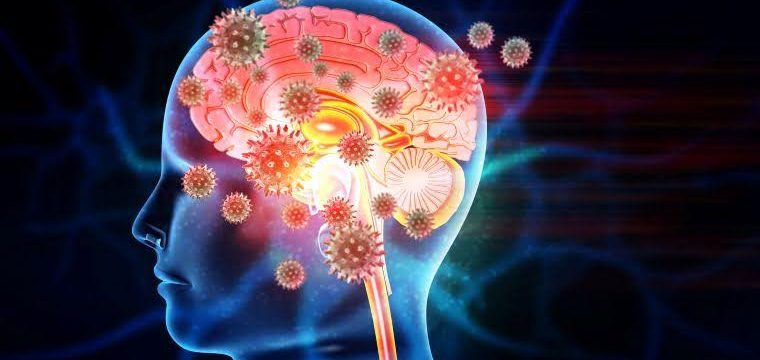
Meningitis is the inflammation of the membranes surrounding the brain and spinal cord, caused by various bacteria, viruses or fungi. Meningococcal disease is a serious but uncommon illness caused by meningococcal bacteria, and it can lead to meningitis and sepsis (blood poisoning). The onset can be sudden, progressing to a life-threatening medical emergency within hours, which is why knowing the signs and acting quickly is so important. Thankfully, it is now rare in the UK and generally occurs as one-off isolated cases.
While the thought of this disease can be frightening, understanding the facts is the single most important step you can take for your own personal safety and community health.
For individuals and families, knowing the signs is critical. For businesses, schools, and community leaders, understanding transmission routes and prevention methods is essential in effective risk management.
This guide provides an overview of the causes, symptoms, and critical prevention strategies for meningitis, from personal vaccination and hygiene to advanced building and environmental protection:
- The causes of meningitis
- How meningitis spreads
- Sources of meningitis-causing pathogens
- How to recognise the warning signs of meningitis
- When to seek medical help
- The pillars of personal prevention: vaccination and hygiene
- How to protect buildings to remove sources of transmission
The causes of meningitis
Meningitis is the rapid or persistent inflammation of the meninges, the protective membranes surrounding the brain and spinal cord. Although it can be caused by various pathogens, its clinical classification remains definitive: it is a medical emergency due to the inflammation occurring near the central nervous system; the condition can worsen very quickly.
While viruses are the most frequent cause of meningitis globally, bacterial pathogens represent the most significant threat to survival. Understanding the specific pathogen is critical for determining the appropriate clinical response.
- Viral meningitis: The most common form of the disease. It is usually less severe than bacterial meningitis, and most people recover fully without specific treatment. It is often caused by enteroviruses, herpesviruses, and arboviruses such as West Nile virus.
- Bacterial meningitis: This is a life-threatening medical emergency that can lead to death in just a few hours or cause permanent disabilities. The most common bacterial culprits include Neisseria meningitidis, Streptococcus pneumoniae, and Haemophilus influenzae.
- Fungal meningitis: A rare form of the disease that develops more slowly and primarily affects people with weakened immune systems, such as those with HIV/AIDS or cancer. The most common global cause is Cryptococcus.
- Parasitic meningitis: Caused by parasites like the microscopic amoeba Naegleria fowleri or certain parasitic worms, though this is quite rare.
- Non-infectious meningitis: Meningitis may also arise from non-infectious causes, including physical injuries (such as skull fractures), specific cancers that have metastasised to the meninges, lupus, and adverse reactions to certain drugs, including non-steroidal anti-inflammatory drugs (NSAIDs) and specific antibiotics.
| Type of meningitis | Common pathogens | Primary risk groups |
|---|---|---|
| Bacterial | Neisseria meningitidis, Streptococcus pneumoniae, Haemophilus influenzae, Group B Streptococcus (GBS), Escherichia coli, Listeria monocytogenes | Newborns: GBS, E. coli Teens/young adults: N. meningitidis Older adults: S. pneumoniae, L. monocytogenes |
| Viral | Non-polio enteroviruses (most common), herpes viruses (HSV-2), influenza, mumps, measles, arboviruses | Infants younger than 1 month and children under 5 years of age. |
| Fungal | Cryptococcus neoformans, Aspergillus, Histoplasma, Candida | Immunocompromised individuals (e.g. those living with HIV/AIDS or undergoing cancer treatment). |
How meningitis spreads

Meningitis pathogens can be transmitted via various transmission routes.
- Respiratory and secretion transmission: Leading bacterial causes, including meningococcus and pneumococcus, colonise the human nasopharynx. They are transmitted through respiratory droplets (coughing or sneezing) and throat secretions. It can be contracted through everyday actions such as coughing, sneezing or close physical contact such as kissing. Also, sharing items that come into contact with saliva, such as drinks, cutlery, toothbrushes and vapes, creates a direct pathway for the microorganisms to spread.
- Invisible carriers: Asymptomatic carriage poses a major challenge in epidemiology. About 1 in 10 people carry meningococcal bacteria harmlessly in their nose and throat without falling ill. These carriers show no symptoms and do not become sick. In fact, carrying these organisms is usually harmless and can even help the body build natural immunity against infection. However, for reasons that doctors do not fully understand — probably a mix of genetics, immune response and other infections — these bacteria can occasionally invade the bloodstream or the fluid surrounding the brain, leading to meningitis.
- Mother-to-child transmission: Specific bacteria, notably Group B Streptococcus and E. coli, inhabit the gut or vagina. These can be passed from mother to child during labour, necessitating rigorous neonatal screening.
- Viral pathways: Viral meningitis, often caused by enteroviruses, is commonly transmitted through the faecal-oral route. This involves the hand-to-mouth transfer of the virus, and is more likely if proper hand hygiene is neglected.
Sources of meningitis-causing pathogens
The risk of infection is heavily influenced by environmental exposure and specific living conditions.
- Food-borne risks: Listeria monocytogenes is primarily contracted through improperly prepared or unpasteurised foods, such as soft cheeses, dairy products and deli meats. This poses a severe risk to pregnant women, as the bacteria can cross the placenta.
- Soil and wildlife: Fungal meningitis, specifically Cryptococcus, thrives in soil enriched with bird droppings. Other viral forms are spread by rodents (Lymphocytic Choriomeningitis Virus) or insects such as mosquitoes and ticks (Arboviruses).
- Crowded settings: Infectious transmission is amplified in high-density environments. University residences, military camps and mass gatherings, such as the annual Hajj pilgrimage, are recognised high-risk settings.
- Geographical factors: The “African Meningitis Belt”, stretching from Senegal to Ethiopia, is uniquely vulnerable to recurrent epidemics, particularly during the dry season (December to June) when dust storms increase susceptibility.
How to recognise the warning signs of meningitis
Meningitis symptoms are deceptive; they often mimic milder infections before escalating. Crucially, symptoms of sepsis (blood poisoning) frequently appear before the “classic triad” of meningitis signs.
Critical signs of sepsis
Pathogens causing meningitis often enter the bloodstream first. Seek immediate care if you observe:
- Cold hands and feet (even with a high fever).
- Rapid, shallow breathing and a fast heart rate.
- Mottled or pale skin.
- Severe limb, joint, or muscle pain.
Adults and older children
- The classic triad: Sudden high fever, severe headache, and neck stiffness (the inability to flex the neck forward).
- Secondary markers: Photophobia (intolerance to light), phonophobia (intolerance to sound), and nausea or diarrhoea.
- The jolt test: Rapidly rotating the head horizontally. If this worsens the headache, meningitis is highly likely.
- The glass test: A non-blanching rash (small purple or red “pin-pricks” or bruises) that does not fade when a glass tumbler is pressed firmly against it.
Infants and young children
- Physical signs: A bulging fontanelle (the soft spot on the head), a stiff body with jerky movements, or a floppy, lifeless appearance.
- Behavioural signs: A high-pitched, moaning cry; extreme irritability when handled; refusal to feed; and diarrhoea.
- Alertness: Drowsiness, a staring expression, or being difficult to wake.
When to seek medical help
Meningitis is a life-threatening medical emergency. Call 999 for an ambulance or go to the nearest A&E immediately if you or someone you know shows the signs of meningitis or sepsis.
The disease can progress rapidly and become fatal within a few hours, so do not wait for every symptom, such as the characteristic non-blanching rash, to appear before getting help.
It is especially important to watch for early signs of sepsis, such as severe limb pain, pale or mottled skin and unusually cold hands and feet, which often appear before the classic meningitis symptoms of a stiff neck, confusion and light sensitivity.
The pillars of personal prevention: vaccination and hygiene
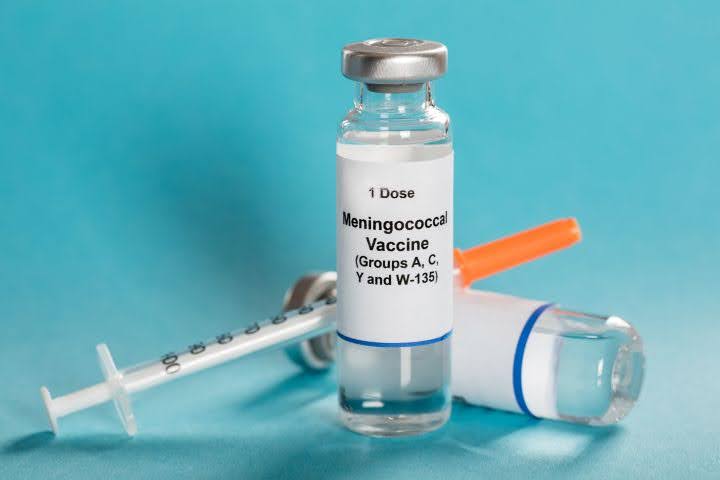
Prevention is the only certain way to reduce the global burden of this disease, combining clinical prophylaxis with active hygiene.
The power of vaccines
Vaccination can offer long-term protection. In the UK, several vaccines that offer protection against the different infections that can lead to meningitis are given to babies and teenagers.
The ongoing 2026 Kent outbreak highlights a specific risk for university students. Many current students were born before 2015 and did not receive the MenB vaccine as part of their routine childhood immunisations. They are strongly advised to check their status.
Good hygiene practices
Take these measures to help prevent the spread of infection:
- Wash hands frequently, especially before eating, using the washroom or changing babies’ nappies.
- Avoid sharing personal items that come into contact with saliva, such as utensils, cups, toothbrushes and vapes.
- Disinfect frequently touched surfaces in communal settings and at home if you are living with an infected person.
Administration of antibiotics
If you have been in close contact with a confirmed bacterial case (specifically meningococcus), seek medical advice regarding chemoprophylaxis. Preventive antibiotics can eradicate carriage and stop the onset of illness. In the current UK outbreak in Kent, hundreds of university students have been offered antibiotics.
However, while chemoprophylaxis kills the bacteria in the throat, it will not prevent the illness if the person is already incubating the disease, and it does not protect against future infections.
How to protect buildings to remove sources of transmission
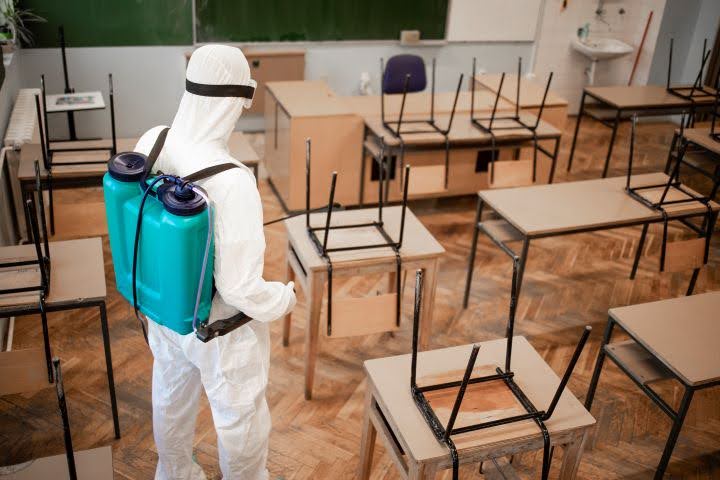
For facility managers and educational leaders, the priority isn’t just medical awareness, but also environmental resilience. The primary environment for transmission is your buildings. Specialist hygiene services employ a range of techniques to protect against surface and airborne transmission.
Advanced disinfection techniques
Standard wiping often misses the “reservoirs” where bacteria can linger in high-traffic education settings. Specialist hygiene services can provide:
- ULV fogging (ultra-low volume): This technique disperses a fine mist of disinfectant that reaches inaccessible areas, including ceiling voids, behind lockers and air vents, where respiratory droplets may have settled.
- High-touchpoint disinfection: Focused treatment on communal keyboards, library desks, door handles and shared kitchen appliances in halls of residence.
Immediate and long-term residual protection
Meningitis bacteria can survive on certain surfaces for hours or several days if the environment is humid or cool. Rentokil Specialist Hygiene can apply:
- Surface infection control: Steri7 antiviral disinfection solution kills up to 99.9999% of bacteria and viruses in minutes.
- Surface Protect 360: an advanced antimicrobial coating that creates a microscopic “spike” layer on surfaces. It is proven to kill 99.9% of bacteria and continues to protect high-touch surfaces for up to 90 days between deep cleans.
Air and washroom hygiene
Because meningitis is primarily spread through respiratory droplets, air and washroom environments are critical.
- Air purification: Rentokil Specialist Hygiene’s AIRTrinity uses a 3-in-1 filtration system combined with an advanced UV-C/PCO Reactor Chamber to filter out airborne particles, remove odours and neutralise viruses and bacteria from the air. This provides continuous air decontamination, significantly reducing the concentration of pathogens, mould spores, damp odours and VOCs in lecture halls, student accommodations and common rooms.
- Washroom deep cleans: Viral meningitis is most commonly caused by enteroviruses, which are primarily spread by faecal contamination. Specialist cleaning of communal bathrooms is necessary to disinfect surfaces and eliminate resistant biofilms that can harbour bacteria and enteroviruses, ensuring these high-risk areas meet the highest hygiene standards.
Conclusion: a call to vigilance
Meningitis, like many serious infectious diseases, demands immediate action. For personal safety, the most critical lesson remains: trust your instincts. Do not wait for a rash to develop or all symptoms to appear. If you suspect an infection, seek emergency medical care immediately. Early intervention is the critical factor that determines the difference between recovery and tragedy.
The two pillars of defence are personal responsibility and environmental resilience. Individuals must prioritise vaccination and rigorous hygiene, including frequent hand washing and avoiding the sharing of saliva-contact items. Simultaneously, facility managers and business leaders play an essential role in protecting communal spaces. By ensuring buildings meet high hygiene standards through advanced disinfection and air purification, they actively prevent the transmission of meningitis bacteria or viruses on surfaces and in the air.
Continuous vigilance and layered defence, combining medical awareness with environmental protection, are the keys to reducing the risk of this life-threatening disease in our schools, universities and the community
Disclaimer
This article is for informational purposes only and is not intended to provide medical advice, diagnosis, or treatment. It is not a substitute for professional medical consultation. Always seek the advice of a qualified healthcare provider with any questions you may have regarding a medical condition or treatment. If you or someone you know shows signs of meningitis or sepsis, seek emergency medical care immediately.
Authoritative sources of information on meningitis
NHS information on meningitis
https://www.nhs.uk/conditions/meningitis/
NHS page on meningitis vaccination in the UK
https://www.nhs.uk/conditions/meningitis/vaccination/
Meningitis Research Foundation
https://www.meningitis.org/about-meningitis/
Wikipedia’s detailed overview of meningitis
https://en.wikipedia.org/wiki/MeningitisUS Centers for Disease Control information on causes and types of meningitis
https://www.cdc.gov/meningitis/index.html