

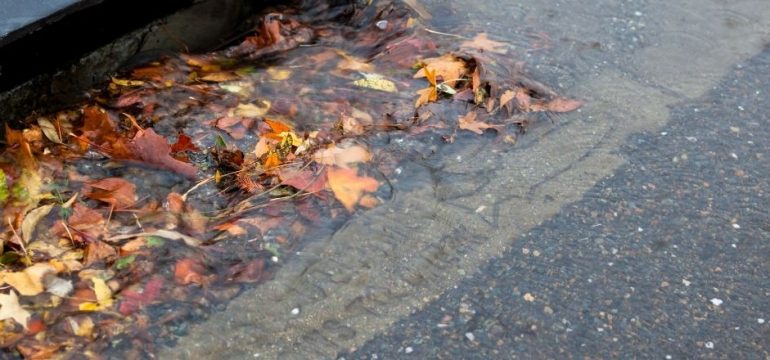
October carries more than autumn leaves. It brings Unblocktober, launched in 2019, this month-long national campaign and awareness month aims to improve the health of drains, sewers, watercourses and seas by encouraging people to think about what they pour into drains, sewers and waterways.
The goal: reduce block drain incidents, prevent blocked drains, and protect communities from flooding. Join the move to “Bin it, don’t block it.”
Below, we spotlight the most common drainage issues, explain how flooding magnifies them, and show you how to keep pipes open and water where it belongs.
Top five common drainage problems
1. Fat, oil and grease build-up
Leftover cooking fat solidifies in pipes, catching food scraps and soap residue like glue. Over time, this builds into layers, leading to drain blockages. Thames Water recently removed a 100-tonne fatberg from a London sewer; a giant sticky mass of fat, wipes and rubbish.
Be aware that flooding can push excess grease into peripheral drains, accelerating clog growth and triggering backups.
2. Non-flushable items and wipes
Wet wipes, cotton pads, and sanitary products don’t break down. They can easily clog pipes and mix with grease, forming dense blockages deep underground. This is a leading cause of blocked sewer issues in urban areas.
3. Tree roots and pipe cracks
Tree roots naturally seek moisture. A tiny crack in a drain can let roots grow inside the pipe, squeezing it closed. When flooding fills the ground with water, roots expand faster and exploit the damage, worsening the blocked pipe problem.
4. Surface water overload
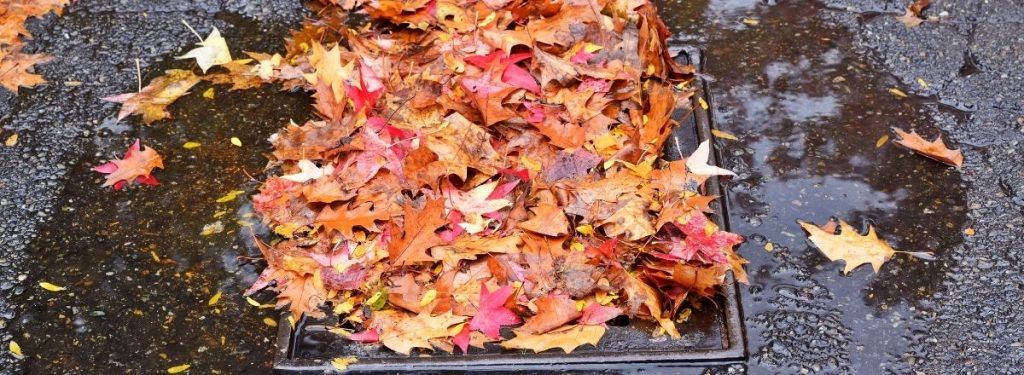
Heavy rain stresses outdoor drains. If a blocked outside drain already exists, that stress becomes overflow. Streets, gardens and basements flood when gullies or drains cannot cope. With almost one in six properties in England at risk of flooding, drainage resilience matters.
5. Collapsed or misaligned pipes
Age, shifting soil, vehicle loads or ground movement can distort pipes. Even a slight misalignment reduces flow, making it easier for a drain blockage to occur. Floodwater pressure then forces debris into weak points, escalating damage.
How to unblock drains (when it’s safe)
Start with the simple first. Clear any debris from grilles and gullies. Use a plunger or a drain snake to gently coax blockages free. Baking soda added to white vinegar can help to loosen minor clogs.But if the drain problem sits deeper, for example, a blocked drain outside or a clogged sewer line, call professionals with high-pressure jetting or CCTV inspection tools. Those techniques can locate and remove the cause without damaging your pipes.
When it’s an emergency
If water is backing into toilets, sinks or showers, or foul smells are rising from outdoor drains, these are signs of serious trouble. That is when “emergency drain unblocking” is necessary. Delay invites flooding, contamination and structural damage.
Floodwater plus sewage is dangerous. In a report, many households that faced sewer flooding described longer-term stress, property damage and poor support from water companies.
Responsibility for blocked drains outside
Who is responsible depends on where the blockage lies. Homeowners handle private drains within property boundaries. Local water companies are responsible for public sewer lines. If a blocked sewer drain pipe falls under the utility’s domain, they must manage it.Landlords and businesses must maintain internal drains. If negligence in your building leads to an issue with a blocked drain outside, you may be liable.
Proactive steps for Unblocktober and beyond
Unblocktober is your prompt to act. Take these steps now:
- Use bins, not pipes, for grease.
- Install sink strainers to catch hair and debris.
- Never flush wipes or sanitary products.
- Try snaking or jet cleaning before blockages start.
- Schedule inspections, especially in older buildings.
For commercial sites or high-risk properties, professional maintenance is vital. Ensure grease traps work, drains are regularly cleaned, and inspections are scheduled.
Flooding and drain blockages: a dangerous feedback loop
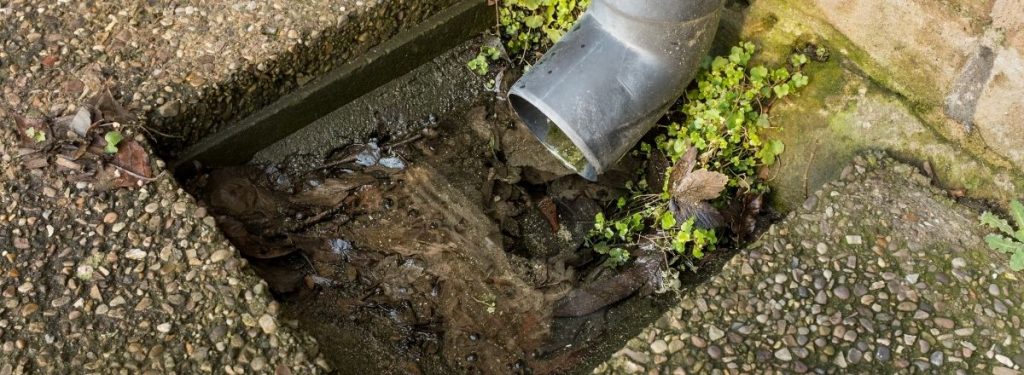
Flooding and blocked drains amplify each other. When a drain is partially blocked, heavy rain pushes water and debris together, intensifying pressure on weak sections. Blockages slow drainage, leading to backups and surface floods.Nearly 2 million people in the UK are exposed to flooding every year. The more blocked drains are allowed to occur, the more severe those floods become. Clean drains, clear paths for excess water to runoff, and reduce flooding risks.
How Rentokil Specialist Hygiene can help
Don’t wait for disaster. Rentokil Specialist Hygiene offers expert drain unblocking, inspection and maintenance. Whether you’re dealing with a blocked sink drain, clogged sewer line, outside drain blocked, or a blocked toilet and urinal drains, we have the tools and experience to fix it fast and safely.
Partnering with us means:
- Preventive maintenance to avoid emergencies
- CCTV inspections to pinpoint issues
- High-pressure jetting to clear pipes
- Emergency service 24/7 for urgent drain unblocking
Join the Unblocktober effort and tackle your drains before they fight back. Contact Rentokil Specialist Hygiene today to learn more and book your inspection.