

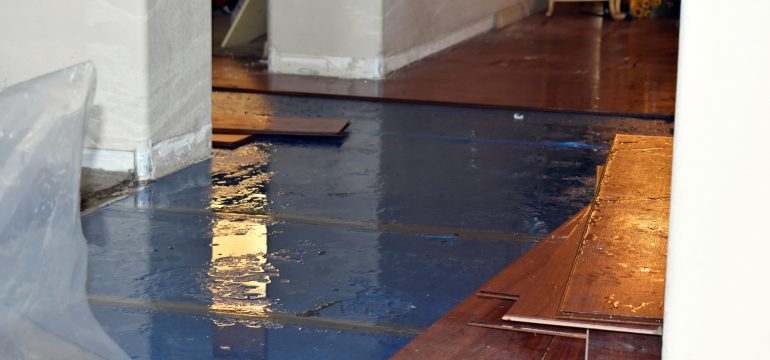
When you think about the causes of water damage, you may naturally think of extreme weather events such as heavy rain or flash flooding. While these events can indeed have an impact on your property, they are far from the only causes of water damage.
In reality, water damage can occur at any time of year and is often the result of something much more mundane than a sudden downpour. Sometimes, what starts as a minor (maybe hidden) leak in pipework can soon lead to significant and costly damage if not addressed quickly and correctly.
Whether in a home or business premises, water ingress can compromise structural integrity, damage personal or commercial assets, and pose a health risk. That’s why swift, professional intervention is often required not just for the clean up, but for the long-term protection of the building and its inhabitants.
Common causes of water damage
Water damage can occur for several reasons, many of which are common and often overlooked until visible signs appear. These include ageing plumbing systems, poorly maintained roofing or gutters, and everyday household or workplace appliances such as dishwashers or washing machines that develop a fault.
When water seeps into a building’s structure, it doesn’t just sit on the surface. It will find its way into the smallest cavities between walls, beneath floors, and into insulation. Without prompt action, water ingress can lead to long-term deterioration that is difficult and expensive to repair.
The impact of water damage
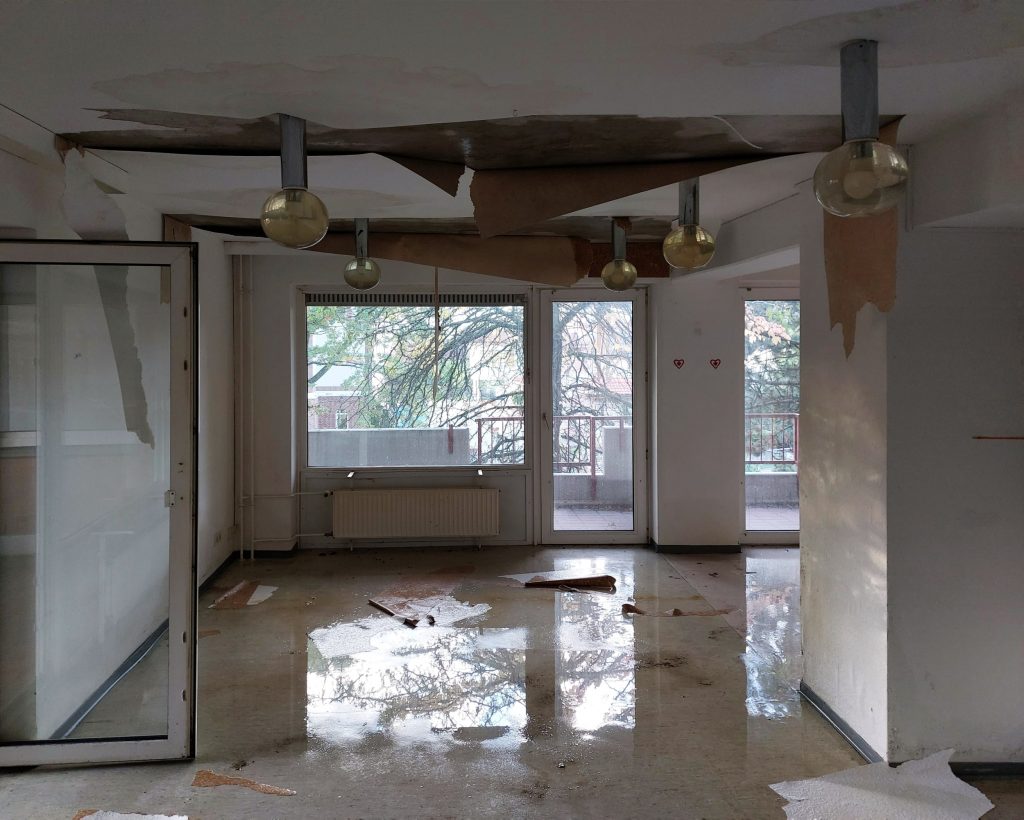
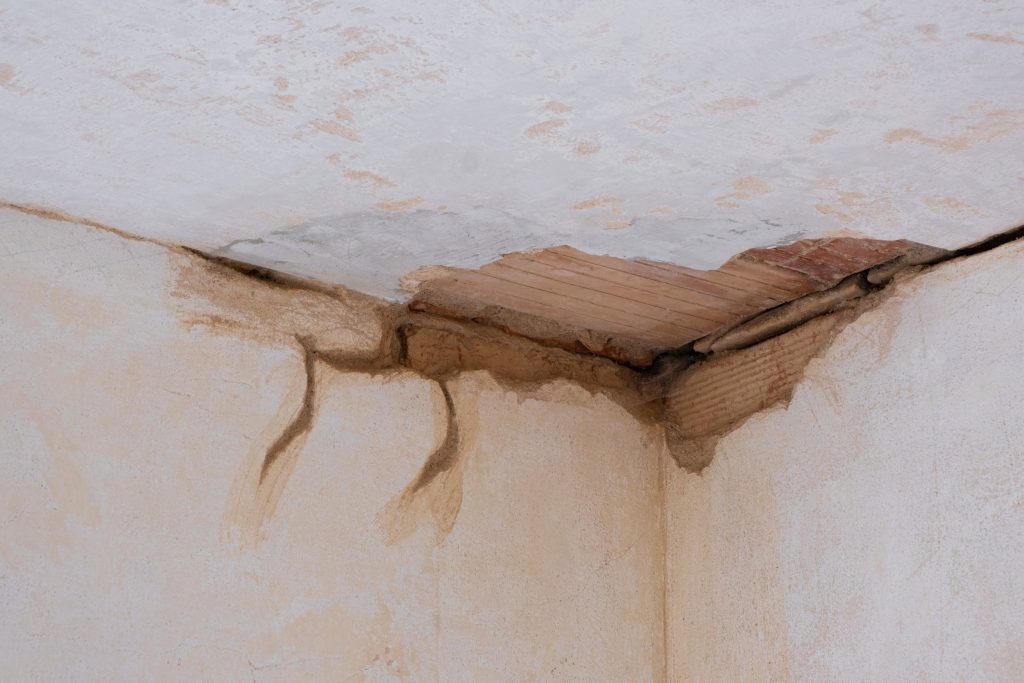
At first glance, you might notice warped flooring or discolouration to ceilings, walls or other affected surfaces. But these visible symptoms are often only part of the problem. Moisture trapped within a property can lead to other issues.
Mould and mildew can develop quickly in damp environments, causing health problems and unpleasant odours. Electrical systems are also at risk, as even a small amount of moisture can corrode wiring and increase the chance of electrical failure or fire. Over time, wooden structures may rot, plasterboard can weaken, and previously sound buildings can become unsafe.
Why prompt action is crucial
Delaying water damage restoration only gives moisture more time to cause harm. Even clean water can turn into greywater within a matter of hours as microbes begin to multiply. The longer the issue is left unresolved, the more complex and costly the recovery process becomes.
As water travels through a property, it can impact several key areas. Electrical systems are at particular risk, as contact with moisture can lead to short circuits or even fire; structural elements such as timber, plasterboard, and insulation can also weaken or rot over time, compromising the integrity of the building. Additionally, as soft furnishings and carpets absorb water easily, they can quickly become breeding grounds for mould. Personal items, essential documents, and business equipment may also be damaged beyond repair.
Damp conditions also affect air quality, providing the perfect environment for bacteria and fungi to thrive, increasing the risk of health issues if not dealt with promptly.
Because water damage can be both destructive and difficult to detect early on, working with professional cleaners ensures the problem is not only addressed at a surface level, but is completely remediated to prevent future issues.
Cleaning up in these situations often requires professional-grade equipment and specialist expertise to ensure safety and compliance with health regulations.
What to do after a water leak
- Shut off the water supply: To avoid the leak getting worse, locate the stop valve, usually located in the kitchen or bathroom, and turn it off immediately. For isolated leaks from appliances such as washing machines, dishwashers or toilets, use the dedicated isolation valves to stop the water supply. In cases of extreme leaks, and if safe to do so, turn off electricity and gas supplies to prevent additional hazards.
- Identify the source: Leaks can have many sources such as leaky pipes, faulty appliances, poorly sealed showers/baths or roofing issues. In order to correctly identify where the water is coming from, thoroughly inspect your property to ensure proper repair and to prevent future incidents.
- Remove any excess water: Promptly removing water is essential to reduce the extent of damage to your property. Use a water pump for major flooding and for smaller spills, use a wet-dry vacuum.
- Dry out any affected areas: As mould and mildew can quickly form within 24-48 hours, it is crucial to begin the drying out process. Remove any wet furniture and carpets from the area; open windows to help with ventilation and moisture release, and use a dehumidifier to help facilitate the process. If walls or flooring have absorbed water, remove and replace damaged sections.
Final thoughts
Water damage can strike when least expected, and its effects are often far more serious than they appear on the surface. From hidden mould growth to compromised electrics and long-term structural decay, the consequences of inaction can be both dangerous and costly.
Acting quickly and seeking professional help is the best way to safeguard your property, your health, and your peace of mind. Whether the cause is a leaky pipe or a faulty appliance, Rentokil Specialist Hygiene is ready to ensure that your premises are not only clean and dry but safe, sanitised and ready to use again.