

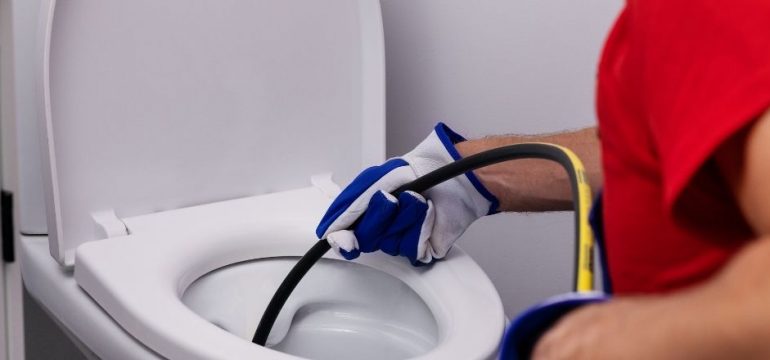
Every time something disappears down the toilet, we might assume it’s gone for good. Yet beneath our feet, those flushed items such as tampons, pads, and wet wipes are building an unseen blockade, twisting through pipes, clinging to fat, and choking the system that keeps our homes, businesses, and streets free from untreated sewage. What starts as a single flush can become a full-scale drain blockage, flooding floors and fouling rivers. Here’s how it happens, why it matters, and what you can do to help keep water flowing freely.
Why you should never flush sanitary items
Sanitary products often contain synthetic materials, plastics, and fibres that do not degrade in water. Once flushed, they catch on pipe walls, combine with soap, debris, and fat, creating ‘fatbergs’ which can block drains.
The same goes for wet wipes, which are frequently marketed as flushable yet fail to break down. A recent investigation by the Daily Mail highlights how flushed wipes contribute to sewer blockages and expensive repairs.These items can jam pipes and force drainage systems to malfunction, requiring drain unblocking and costly repairs.
Effects on drainage systems and the environment
Disruption to sewer networks
Sewer systems are not built to handle solid waste. Flushed sanitary items accumulate in pipes and junctions, causing blocked drains. When water cannot flow freely, pressure builds and backups occur. Some sewer systems must be shut down to clear the obstruction.
Impact on treatment works
Water treatment plants can struggle when solid waste reaches them. Sanitary debris requires extra filtering, adding strain and cost to operations.
If pieces pass through filters and enter waterways, they contribute to environmental pollution. The plastics may fragment into microplastics, which accumulate in marine ecosystems.
Flooding risk
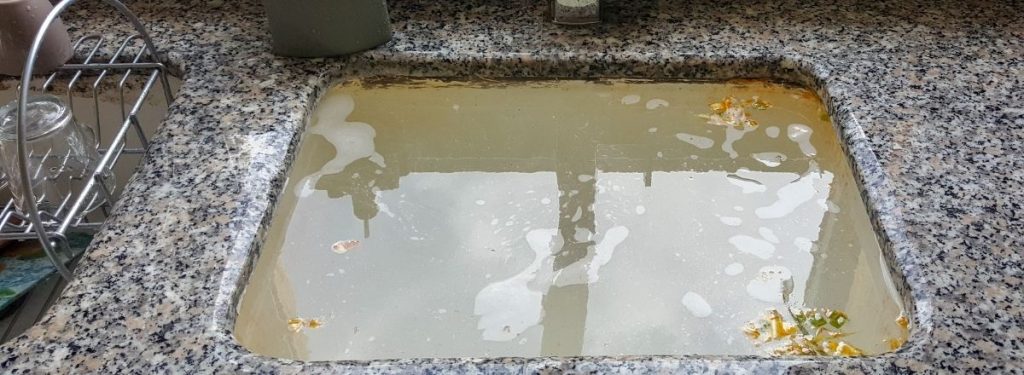
When drains are clogged, heavy rain or regular use can trigger drain overflowing. In these cases, dirty water and sewage may backup in buildings or spill into streets. Such flood events carry disease and property damage risks, especially when they involve blocked sewer drains or contaminated water.
How to discard sanitary waste responsibly
To prevent drain blockage, adopt these practices:
- Flush only the “three Ps”: pee, poo, and (toilet) paper.
- Place used sanitary items and wet wipes in a bin, preferably a hygiene waste bin inside the toilet cubicle.
- Wrap the item in toilet paper or use a sanitary disposal bag before placing it in the bin.
Providing hygiene waste bins in washroom cubicles removes the temptation to flush. Plus, you can download our free poster that lists items that should never be flushed down the toilet.
What to do when you have a blocked drain
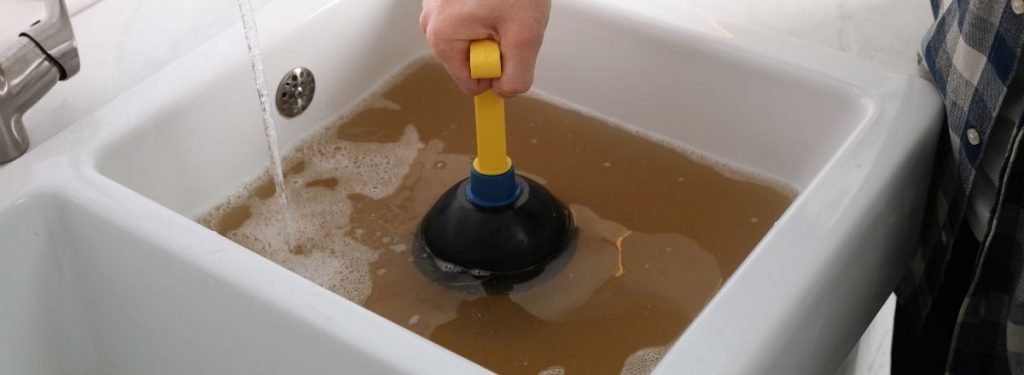
If you face a blocked toilet and urinal drain, blocked sink drain, or blocked drain outside, here is a safe approach:
- Stop using the fixture to avoid overflow.
- Clear accessible debris from the surface.
- Use a plunger or drain snake to try freeing the clog.
- If the blockage remains, call a professional for drain unblocking, emergency drain unblocking, or CCTV inspection.
Rentokil Hygiene offers drain services that cover drain cleaning, drain unblocking, and pipe blockage removal. Our teams can clear blocked pipes using high-pressure jetting without damaging infrastructure.
Flushing sanitary waste is not a minor issue. It leads to blocked drains, floods, environmental damage, and high repair costs. By treating your plumbing with care, disposing of waste correctly, and calling in expert help when needed, you protect property, natural waterways, and the environment. If you need professional support, contact us today. Our specialist teams can help with washroom deep cleaning and unblocking of cisterns and urinals, among various other issues.