

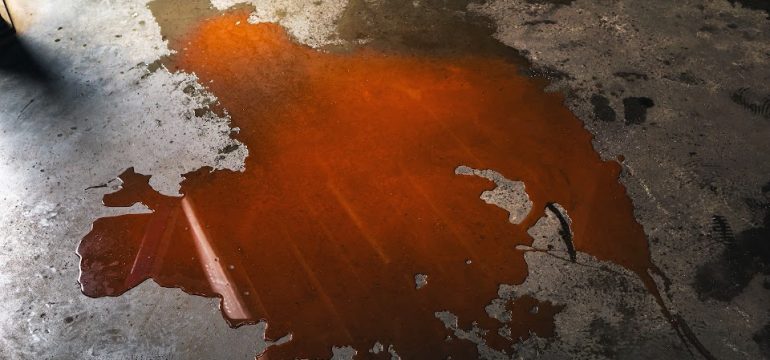
In industrial settings, a chemical leak tests operational resilience. An inadequate response to chemical incidents poses immediate risks to worker safety through toxic exposure and respiratory hazards. Furthermore, failure to contain spills can lead to severe regulatory penalties and significant business disruption, highlighting the need for a comprehensive management strategy. Proper spill management protects worker safety, maintains regulatory compliance, and avoids severe financial losses.
This guide provides EHS leaders with the strategic framework and actionable insights required to implement a robust Four-Phase Decontamination Framework, protecting your personnel and preserving your business continuity.
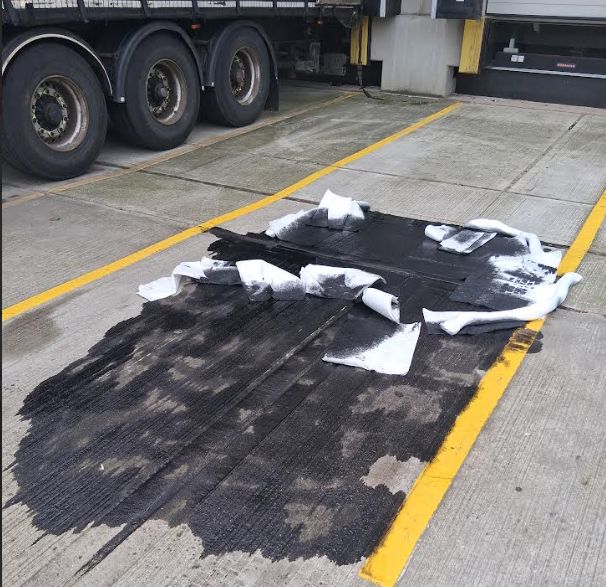
The UK regulatory landscape for chemical spills
Chemical spill management in the UK is governed by health, safety and environmental legislation. EHS leaders must ensure operational readiness and containment efficiency to meet statutory duties of care.
Core legislative pillars
1. Control of Substances Hazardous to Health (COSHH) Regulations 2002
Regulation 13 requires emergency planning, including keeping documented procedures, providing appropriate containment and PPE, and ensuring health surveillance and training for exposed workers.
2. Environmental Protection Act 1990 and Water Resources Act 1991
- The polluter-pays principle: Entities causing contamination bear the full financial responsibility for clean-up and restoration.
- Watercourse contamination: Unauthorised discharge into sewers or natural waters is a criminal offence under the Water Resources Act 1991.
3. CIRIA C736 Containment Standards
This provides the industry standard for containment systems. Facilities must maintain primary (vessels), secondary (bunds sized to 110% of the largest container), and tertiary (drainage shut-off) containment.
Enforcing authorities and post-incident audits
The Health and Safety Executive (HSE) and Environment Agency (EA) investigate incidents, with enforcement actions including improvement notices, prohibition notices (immediate shutdown), and unlimited fines linked to commercial turnover.
Summary of legislation and guidance for chemical spills
| Legislation/ Guidance | Governing body | Core requirement | Penalty for failure |
|---|---|---|---|
| COSHH 2002 (Reg 13) | Health and Safety Executive (HSE) | Maintain emergency procedures, PPE, and spill controls for hazardous substances. | Unlimited fines, prohibition notices, potential custodial sentences for directors. |
| Environmental Protection Act 1990 | Environment Agency / SEPA / NRW | Prevent contamination of land, air, and water; ensure compliant hazardous waste transport. | Criminal prosecution, mandatory site remediation orders, severe reputational impact. |
| Water Resources Act 1991 | Environment Agency | Strict prohibition of unpermitted chemical discharges into watercourses or groundwater. | Unlimited financial penalties, immediate site shutdown, clean-up cost recovery. |
| CIRIA C736 / GPP Guidelines | Local Authority / Environment Agency | Engineering secondary and tertiary containment systems (110%/25% bunding rule). | Enforcement notices, invalidation of site operating permits and commercial insurance policies. |
What is a tiered risk assessment framework?
A tiered risk assessment framework removes guesswork by classifying incidents according to volume, toxicity, environmental exposure, and structural impact. This enables site leaders to set clear operational boundaries: empowering staff to handle routine incidents safely and triggering mandatory external specialist intervention when thresholds are exceeded.
Tier 1: Minor/ operational-level containment
Tier 1 incidents involve minor releases of known, low-hazard substances. These incidents fall within the scope of internal maintenance, managed by trained onsite staff using standard workplace infrastructure.
Defining characteristics of tier 1:
- Known substance profile: The chemical is fully identified, non-reactive and has a low atmospheric hazard profile (e.g. dilute detergent solutions, small-quantity hydraulic oil leaks, or low-concentration acids).
- Manageable volume: The volume is well within the absorption capacity of locally stationed spill kits (typically under five litres of standard liquid).
- Controlled environment: The spill is restricted to non-porous, sealed indoor flooring with no risk of entering site drainage networks, surface water or unsealed soil.
- Internal capability: Onsite personnel are fully trained in basic COSHH containment procedures and are equipped with appropriate standard PPE.
The Tier 1 operational rule: If any factor shifts during a Tier 1 clean-up, such as the unexpected release of vapour, liquid escaping toward a drain or an employee experiencing irritation, work must cease immediately, the area must be evacuated and the incident must be escalated to Tier 2.
Tier 2: Major/ enterprise-level crisis
Tier 2 incidents represent serious operational disruptions involving hazardous, high-volume, volatile, or structurally invasive chemicals. These events exceed the capabilities of basic workplace spill kits and standard staff training, requiring professional emergency chemical cleaning and technical decontamination.
Escalation triggers for specialist remediation:
1. Volume and concentration Limits
- Releases exceeding standard localised spill kit capacities (typically >5 litres of concentrated acids, alkalis, solvents or toxic compounds).
- Catastrophic vessel failures, IBC (intermediate bulk container) ruptures or pipeline breaches.
2. Atmospheric and respiratory hazards
- Rapidly evaporating chemicals or high-concentration VOCs that generate toxic or flammable vapour plumes.
- Substances posing immediate risks of toxic inhalation, oxygen displacement (asphyxiation), or explosive atmospheric conditions.
3. Environmental and structural permeation
- Chemical spills that have breached secondary containment (bunding) or threaten external drainage, unpaved ground or water tables.
- Substances that have penetrated porous substrates (e.g. bare concrete, brickwork, expansion joints), where surface wiping cannot remove deep sub-surface contamination.
4. Chemical complexity and exothermic reactions
- Unknown, unlabelled or mixed chemical releases.
- Substances undergoing heat generation (exothermic reaction), off-gassing toxic fumes upon contact with air or moisture, or threatening structural steel integrity.
Tier 1 vs Tier 2 decision matrix
| Assessment factor | Tier 1: Internal response | Tier 2: External escalation required |
|---|---|---|
| Chemical identity | Fully identified, known SDS, low hazard | Unknown, mixed, highly concentrated, or reactive |
| Volume spilled | <5 litres (within local kit capacity) | >5 litres or bulk container breach |
| Vapor/ odour risk | Low/none; standard ventilation is sufficient | High off-gassing, toxic vapours, respiratory hazard |
| Surface exposure | Sealed, non-porous internal flooring | Porous concrete, soil, sub-floor, or drainage network |
| Personnel safety | Basic PPE adequate (gloves, goggles) | Specialised PPE required (SCBA, hazmat suits) |
| Response action | Deploy internal spill kit and isolate | Evacuate area, isolate ventilation, call Rentokil Specialist Hygiene |
Operational readiness — procurement, governance and training
An emergency response plan’s reliability depends on the supporting baseline infrastructure. When a container ruptures, personnel respond based on their training and available equipment, not on innate heroism. Achieving operational readiness requires transitioning from isolated, site-specific purchasing to standardised procurement, regular auditing and comprehensive competency frameworks across your entire facility.
Standardising spill kits across multi-site operations
A common weakness found during regulatory audits is the use of generic spill-response equipment that doesn’t match the specific hazard. For example, a kit meant for hydrocarbon leaks at an asphalt loading dock would fail disastrously if used against concentrated nitric acid in a factory setting.
1. Choosing the right absorbents for your specific hazards
Your spill control inventory needs to be cross-referenced directly against your site’s COSHH Register and Safety Data Sheets (SDS) to ensure it can actually handle the substances you store:
- Chemical spill kits (yellow): These use specially treated polypropylene to soak up “aggressive” fluids. Unlike standard pads, they won’t degrade or trigger a reaction when they touch concentrated acids, alkalis or oxidisers.
- Neutralising agents: Available as powders or sprays, these are used to stabilise extreme pH levels before you attempt absorption. This is a critical safety step to stop off-gassing or dangerous heat generation (exothermic reactions) during the clean-up.
- Specialist neutralisers and binder agents: Dedicated formulations for specialised hazards (e.g. hydrofluoric acid neutralisers, mercury spill kits or formaldehyde) must be stationed next to where those specific substances are handled.
2. Strategic inventory placement and auditing
Effective spill response relies on the same level of operational discipline as fire-suppression systems. Having the equipment is only half the battle; it must be accessible and ready for immediate deployment.
- Placement protocol: Every second counts during a leak. Spill response stations must be positioned within a 30-second walking radius of high-risk areas, such as chemical storage vaults, drum-transfer stations, mixing lines and bulk loading bays.
- Unobstructed access: All access paths to spill kits must remain clear of forklift traffic, staged inventory and temporary storage at all times.
- Audit governance: Maintain readiness through monthly tagged inspections. Spill kits should be secured with tamper-evident seals. If a seal is broken, it must trigger an immediate inventory check and replenishment to ensure the site remains compliant and prepared.
Competency and training frameworks
Placing spill response equipment across a site can give a false sense of security unless staff receive thorough training on its proper use and limitations.
1. Moving beyond “box-ticking” compliance
Traditional classroom and e-learning modules fall short in preparing individuals for high-risk chemical settings. Effective competency initiatives incorporate practical, simulated-scenario exercises that replicate actual conditions.
- Conducting simulated loss-of-containment drills under stress.
- Properly donning, doffing and inspecting specialised PPE to prevent self-contamination.
- Performing hands-on deployment of drain seals and temporary bunding quickly and efficiently.
2. Practical boundary enforcement: understanding when to withdraw
The key aspect of employee training is instructing staff on how to identify the boundary between Tier 1 containment and Tier 2 escalation. Staff should be provided with clear training and a culture that empowers them to halt internal operations, evacuate the area and initiate professional Tier 2 escalation immediately if an incident surpasses established safety limits.
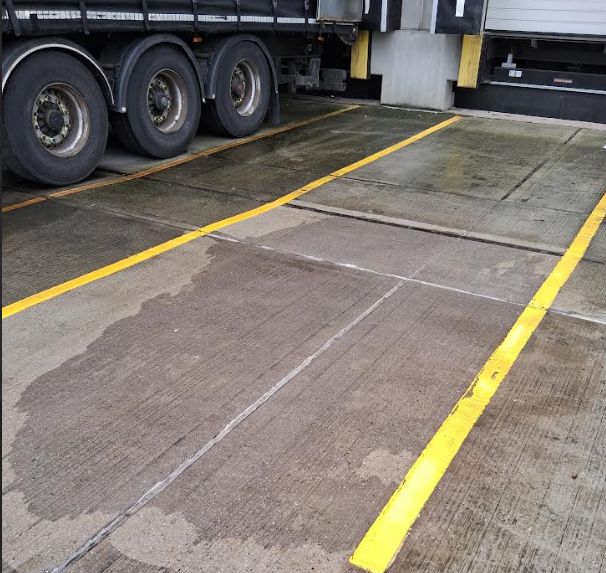
The chemical spill cleaning framework
In the event of a Tier 2 chemical spill, internal teams must engage certified chemical decontamination specialists. Rentokil Specialist Hygiene follows a strict four-phase decontamination framework that stabilises hazards, chemically neutralises them, ensures compliant disposal, and confirms environmental safety.
Phase 1: Isolation, zoning and risk assessment
The immediate goal is to stabilise the site by establishing strict exclusion zones (hot, warm, and cold) and conducting atmospheric monitoring using PIDs and multi-gas detectors. Technicians set up physical barriers, such as magnetic drain seals and vapour-suppressing foams, to prevent hazardous substances from spreading and reduce the risk of off-gassing.
Phase 2: Technical neutralisation and extraction
Hazardous substances are stabilised chemically via controlled pH neutralisation for acids and alkalis or through molecular encapsulation and binding for solvents and toxic organic materials. After stabilisation, liquid and neutralised residues are recovered with ATEX-certified, explosion-proof industrial extraction units to avoid ignition risks or structural corrosion.
Phase 3: Compliant hazardous waste disposal
All recovered materials and contaminated consumables are classified in accordance with Technical Guidance WM3 and packaged in UN-approved containers. We ensure full legal compliance with the Environmental Protection Act 1990 by maintaining a comprehensive audit trail via statutory Hazardous Waste Consignment Notes from the point of origin to licensed disposal.
Phase 4: Post-remediation verification and safe re-occupation
Safe re-entry is permitted only after scientific verification confirms that residue and airborne contaminant levels are below UK Workplace Exposure Limits (WELs). This process includes swab testing of structural substrates and atmospheric sampling, culminating in the issuance of a formal Certificate of Safe Re-Occupation for regulatory and insurance defensibility.
Summary of chemical spill operational phases
| Phase | Operational focus | Primary equipment/ methodology | Regulatory compliance outcome |
|---|---|---|---|
| 1. Isolation and mitigation | Area perimeter security, life safety, drain blocking | Multi-gas PIDs, magnetic drain seals, vapour suppression foam | COSHH Reg 13 / EA Preventative Action |
| 2. Neutralisation and extraction | Chemical stabilisation and physical liquid recovery | pH neutraliser buffers, ATEX vacuum units, binding agents | Structural Safety and Explosion Prevention |
| 3. Hazardous waste disposal | Compliant packaging, transport, and waste tracking | UN-approved drums, WM3 EWC coding, Consignment Notes | Environmental Protection Act 1990 (Duty of Care) |
| 4. Verification and sign-off | Environmental testing, air monitoring, site handover | Surface swab testing, VOC air sampling, Clearance Certificates | HSE / RIDDOR Compliance and Re-occupation |
Post-incident governance and business continuity
Removing a chemical hazard physically and obtaining a clearance certificate signify the conclusion of a site emergency, yet they only mark the midpoint of corporate risk management. The actions taken in the hours and days after an incident decide whether the facility returns to full operation or faces ongoing financial claims, regulatory actions and insurance disputes. Strong post-incident governance converts an operational crisis into an organisational learning opportunity, safeguarding business continuity, ensuring legal defensibility, and addressing statutory exposure gaps.
1. Mandatory regulatory reporting and statutory obligations
Duty holders must meet statutory reporting deadlines to avoid separate legal offences. Under RIDDOR 2013, “dangerous occurrences” (uncontrolled releases) must be reported to the HSE, and specified injuries resulting in incapacitation for over 7 days must be reported within 15 days. Additionally, any breach of site boundaries or any threat to watercourses must be reported immediately to the Environment Agency Emergency Hotline (0800 80 70 60).
2. Insurance defence and evidence auditing
To defend against liability claims and secure insurance payouts, EHS managers must compile an Indispensable Audit Package containing:
- An initial incident log of discovery and containment actions.
- Specialist decontamination logs.
- WM3-compliant hazardous waste consignment notes.
- Independent Air and Substrate Clearance Certificates verifying safety below workplace exposure limits (WELs).
3. Root-cause analysis and risk register updates
A multi-disciplinary RCA should assess four operational pillars: equipment integrity, human factors, procurement and material handling, and response efficiency. Findings must be used to close the regulatory loop by updating COSHH Risk Assessments, revising standard operating procedures (SOPs) to eliminate failure points, and presenting revised mitigation strategies for the Corporate Risk Register.
Summary of governance and post-incident action required after a chemical spill
| Governance pillar | Responsible party | Key action / deliverable | Compliance target |
|---|---|---|---|
| Statutory reporting | EHS director / Site lead | Submit RIDDOR report to HSE; notify Environment Agency if drains breached. | Within legal deadlines (Immediate to 15 days) |
| Evidence archival | Risk manager | Compile waste consignment notes, clearance certificates, and contractor logs. | Secure archive for 3+ years (Insurance / Audit defence) |
| Root-cause analysis | Operations/ maintenance | Conduct a 5-Whys analysis; identify mechanical, human, or procedural failure points. | Within 7 days post-incident |
| Systemic review | EHS committee | Update COSHH assessments, site risk registers, and employee training modules. | Within 14 days post-incident |
Securing your operations through strategic decontamination
Effective management of commercial chemical spills is essential for operational resilience and legal compliance. By adopting a tiered risk assessment system and maintaining excellent procurement and training standards, companies can reduce the risks of toxic exposure and stay aligned with the UK’s strict regulations.
A proactive decontamination strategy helps avoid severe financial penalties, environmental harm, and long-term business disruptions. The capacity to respond quickly and professionally to hazardous spills sets industry leaders apart. Working with certified specialists for a Tier 2 clean-up guarantees that your facility is safely restored using scientifically validated methods, safeguarding your staff and reputation.
1. How do I know if my site needs an external specialist for a chemical spill?
FAQs
You should escalate to an external specialist if the spill involves unknown or reactive substances, exceeds your internal spill kit capacity (typically over five litres), poses respiratory hazards from vapour, or has breached secondary containment (bunding) into porous substrates or drainage.
1. What is the difference between a Tier 1 and Tier 2 chemical spill?
A Tier 1 incident is a minor, manageable release of a known, low-hazard substance that can be handled by trained onsite staff using standard spill kits. A Tier 2 incident is a major crisis involving high-volume, toxic, volatile, or structurally invasive chemicals that exceed internal capabilities, and requires immediate professional technical decontamination.
2. Are there specific UK regulations governing chemical spill response?
Yes, chemical spill management is heavily regulated in the UK under the Control of Substances Hazardous to Health (COSHH) Regulations 2002, the Environmental Protection Act 1990, and the Water Resources Act 1991. These laws mandate proper emergency planning, containment, and strict prevention of unauthorised environmental discharges.
3. How often should I audit my spill response kits?
You should perform monthly tagged inspections of all spill kits. This ensures that kits are fully stocked, accessible within a 30-second walk of high-risk areas, and that tamper-evident seals remain intact.
4. What happens after a chemical spill is cleaned up?
Post-incident governance is critical. You must complete regulatory reporting (such as RIDDOR for dangerous occurrences), compile an audit package including waste consignment notes and clearance certificates for insurance defence, and conduct a root-cause analysis to update your COSHH risk assessments and operational procedures.