

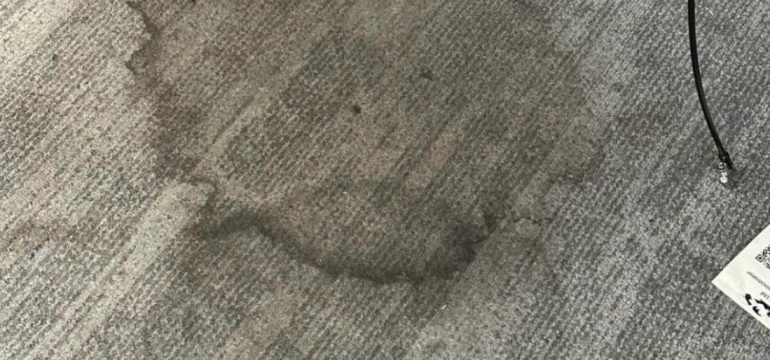
In any commercial setting, whether a boutique hotel lobby, a busy corporate boardroom, or a high-end retail floor, first impressions form within seconds. The condition of your environment speaks volumes about your brand before a word is spoken. Pristine flooring signals attention to detail, high standards and care. By contrast, a prominent, unsightly stain projects neglect and subtly damages your reputation with clients, guests and colleagues alike.
When an inevitable spill occurs, the instinct is usually to act quickly with whatever is on hand. However, sending an untrained staff member to the scene with a bucket of soap, water, and a scrubbing brush often turns a minor spill into a major problem.
Tackling commercial carpet stains successfully requires more than goodwill and a sponge. It takes an understanding of stain chemistry, carpet materials and cleaning materials for quick emergency control and knowing when to bring in professional cleaners.
In this guide, we cover:
- Common types of carpet stains in commercial settings
- The science of carpet cleaning: how the carpet’s chemical make up and fibre type dictate strategy
- DIY do’s and don’ts for emergency carpet first aid
- Why high-traffic facilities need professional deep extraction
Common types of carpet stains in commercial settings
Different commercial environments face distinct operational challenges. Understanding the chemical profile of a spill and the typical environments in which it occurs is the critical first step in preventing permanent carpet damage.
1. Coffee and tea: offices and boardrooms
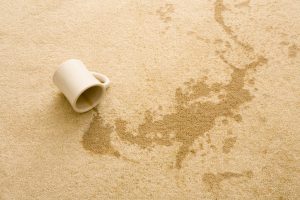
Hot beverages are the most frequent cause of carpet damage in corporate environments. Coffee and tea contain tannins, which are organic compounds that act as dyes.
- The operational impact: When spilt at high temperatures, the heat opens up synthetic carpet fibres, allowing the tannins to bind deeply within seconds.
2. Mud, slush and de-icing salts: retail businesses and entrance ways
High-traffic entrance lobbies bear the brunt of inclement weather and footfall. Winter months bring in a destructive combination of soil, slush and de-icing salt.
- The operational impact: As salt dries, it forms unsightly white rings and crystallises within the carpet pile. Salt crystals act like microscopic blades, shearing carpet fibres under the weight of foot traffic and degrading the carpet backing, leading to premature wear and costly replacement.
3. Ink and toner: offices, printing hubs and educational facilities
Printer cartridges, dry-wipe markers and leaking pens pose significant staining risks. Ink contains concentrated pigments dissolved in solvents or water, while toner consists of ultra-fine plastic polymers.
- The operational impact: Mismanaging an ink or toner spill causes the pigment to spread, turning a minor drop into a multi-metre smudge across expensive office flooring. If an untrained cleaner applies water or heat to a toner spill, it can permanently melt the plastic particles into the carpet fibres.
4. Food and sugary drinks: hospitality, event venues and breakrooms
Spilt soft drinks, wine, sauces, and meals are a daily reality in restaurants, hotels, and employee canteens.
- The operational impact: Sugary liquids and food residues create a sticky film over carpet fibres. Even if the visible mark fades as it dries, the residue attracts dirt tracked in by shoes. Over time, organic food residues decompose within the carpet pile, causing unpleasant odours and creating a breeding ground for bacteria and insect pests.
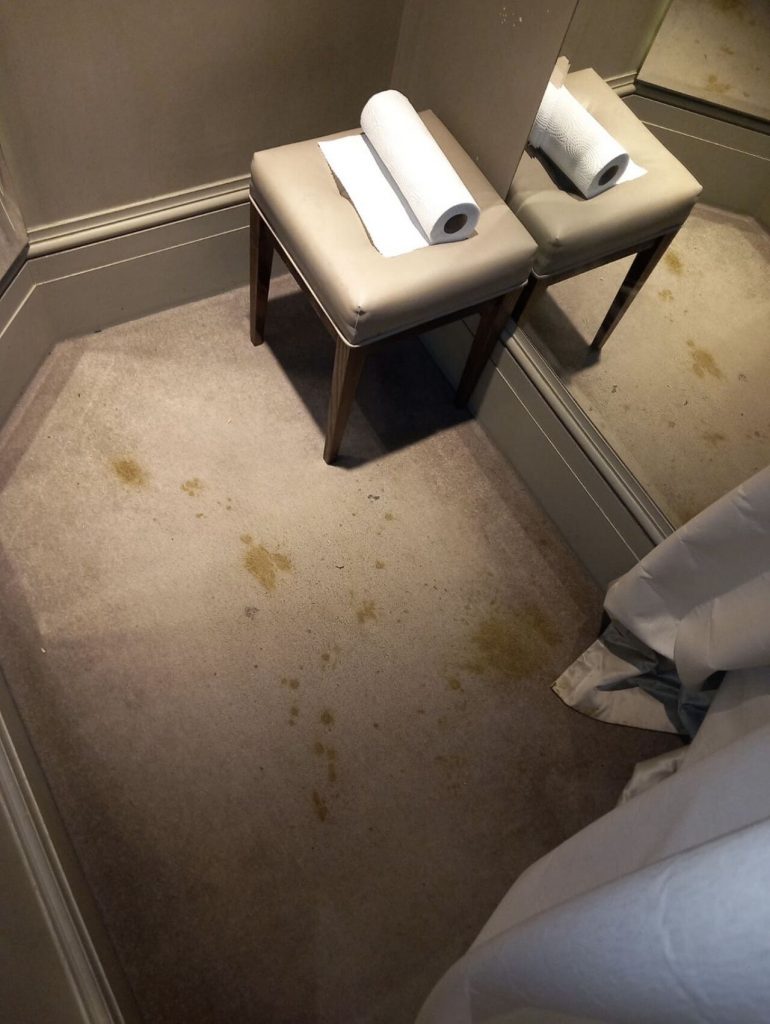
5. Oil and heavy grease: hospitality thresholds and manufacturing facilities
Tracked-in grease is a major issue where kitchen or production environments meet carpeted customer or administration areas.
- The operational impact: Oils are hydrophobic (water-repelling), meaning standard water-based janitorial detergents will simply bounce off them or push the grease deeper into the backing. Grease tracked across carpeted corridors creates dark, slippery, unsightly traffic lanes that regular vacuuming and light spot-cleaning cannot remove.
6. Biohazards (vomit, blood and bodily fluids): hospitality, transport and healthcare settings
Biohazard spills present an immediate challenge in hotels, public venues, care homes and medical facilities. They cannot be treated like standard commercial stains. They carry serious risks of pathogens such as norovirus, E. coli and bloodborne viruses.
- The operational impact: Bodily fluids contain complex organic proteins and acids that penetrate deep into the carpet underlay, set quickly, and produce severe, lingering odours. Beyond the obvious aesthetic damage, improper handling risks cross contamination and non-compliance with workplace health and safety regulations. These incidents require specialised, legal-grade biohazard remediation and professional sanitisation to ensure the space is safe for public use.
The science of stain removal: how chemical make up and fibre type dictate strategy
Effective commercial carpet cleaning is an applied science governed by chemical interaction and the T.A.C.T. principle (Temperature, Agitation, Chemical, Time).
Applying the wrong chemical to a specific stain or using the incorrect technique on a sensitive carpet fibre can cause permanent, irreversible damage, such as chemical burns, fibre melting, dye bleeding, or setting the stain permanently.
The interaction of stain chemicals with carpet material dictates the exact cleaning agent, pH level, water temperature and extraction technique required.
1. How carpet material dictates treatment limitations
Before choosing a cleaning solution, you must know what the carpet is made of. The chemistry of the carpet fibre determines its chemical tolerance, heat limit and moisture absorbency.
| Carpet fibre | Chemical profile | Strengths | Vulnerabilities & cleaning limits |
|---|---|---|---|
| Nylon (Polyamide) | Synthetic protein-like structure with acid-dye sites. | Highly resilient, durable, absorbs water-based dyes well. | Sensitive to high pH (bleach or heavy alkalis), which strip stain-resistant coatings. Must stay between pH 7.0–10.0. |
| Polypropylene (Olefin) | Hydrophobic (water-repelling) synthetic polymer. | Impervious to water-based stains and bleach; solution-dyed. | Highly oleophilic (attracts grease/oil). Low melting point makes it susceptible to high friction, heat and water above 70°C. |
| Wool & wool blends | Natural protein fibre (keratin). | Luxurious, natural soil resistance, flame retardant. | Extremely sensitive to alkalis (pH > 8.5 destroys wool fibres), chlorine bleach, high heat (causes felting/shrinkage) and excessive agitation. |
| Polyester (PET) | Solution-dyed synthetic polymer. | Excellent stain resistance against water-borne spills. | Like polypropylene, it tightly holds onto oils and greases and is prone to pile crushing when overheated. |
2. How the chemical components of a stain determine the cleaning solution
Stains can be categorised by their chemical make up. Removing them requires a tailored chemical reaction (such as emulsification, oxidation, or enzymatic breakdown) to sever the stain’s bond to the carpet fibre, along with a specific technique suited to both the stain and the fibre. Effective stain removal relies on balancing the four components, called the TACT factors (temperature, agitation, chemical, time), according to the stain conditions.
Key factors:
- pH balancing: After using alkaline cleaners, apply an acidic rinse (pH 2.0–4.0) to neutralise the carpet to pH 7.0. This prevents sticky residues, re-soiling, and browning.
- Temperature control: While heat boosts detergent effectiveness — doubling activity every 10°C increase — it must be tailored to the fibre. Use high heat for grease on olefin, medium/low for nylon, and cold for proteins/toners. Strictly limit the heat for wool to prevent shrinkage.
- Dwell time vs agitation: Prioritise 10–15 minutes of dwell time to allow chemicals to break bonds naturally. This reduces the need for aggressive scrubbing, which causes fibre fraying and texture damage
Summary table of stain chemistry, cleaning solutions and extraction techniques
| Stain type | Chemical profile | Cleaning solution | Technique |
|---|---|---|---|
| Tannin (coffee, tea, red wine) | Organic, acidic compounds with vegetable dyes/polyphenols. | Mildly acidic solutions (pH 4.0–6.0) or hydrogen-peroxide oxidisers neutralise tannins and break down colour pigments without stripping synthetic carpet dyes. | Low-heat or lukewarm application. |
| Protein & biohazard (blood, vomit, food/dairy) | Complex organic proteins, lipids, and biological hazards. | Enzymes break down biological proteins into water-soluble amino acids. Specialised biocide disinfectants are used to kill pathogens. | Cold to lukewarm water only. |
| Lipids & greases (motor oil, cooking fats, tar) | Non-polar, hydrophobic organic or synthetic hydrocarbons. | High-pH alkaline emulsifiers (pH 9.0–10.0) or solvent degreasers. | High heat with mechanical agitation, followed by high-pressure extraction. |
| Pigments & polymers (ink, toner, paint) | Concentrated pigments bound in alcohol or oil, or plastic polymers. | Volatile dry solvents or isopropyl alcohol-based spotters. | Dry toner: dry vacuuming/extraction. Liquid ink: blot with volatile solvents. |
DIY do’s and don’ts for emergency carpet first aid
When an accidental spill occurs in a busy commercial environment, your onsite facility or janitorial team members are the crucial first responders. What happens in the first five minutes after a spill often determines whether a carpet can be saved or if it will suffer permanent damage.
While immediate action is essential, improper emergency cleaning can turn a simple surface spill into a permanent fixture. Here is the operational “first aid” protocol a cleaning team should follow to minimise damage before professional help is brought in.
1. Blot, never scrub
- Don’t: Do not vigorously scrub with sponges, brushes or towels. This is the most common mistake made by untrained staff. Friction breaks down and frays the delicate synthetic or wool carpet pile (“tip blooming”). This permanently alters the carpet’s texture, creating a fuzzy, worn patch that remains visible even if the stain itself is removed. Furthermore, scrubbing forces liquid deeper into the primary backing and underlay.
- Do: Apply gentle, firm downward pressure using a clean, dry, absorbent white microfibre cloth or paper towel. Blot vertically to lift the liquid out of the carpet pile.
2. Work outside-in to prevent spreading
- Don’t: Do not wipe outward from the centre of the spill or place a large, soaked rag over the entire area. Pushing liquid outward causes the stain to bleed horizontally, turning a tiny drop into a much larger ring.
- Do: Always start at the outer perimeter of the spill and work inward toward the centre. This contains the liquid within its original boundary and prevents the stain from expanding into surrounding clean fibres.
3. Avoid harsh chemicals
- Don’t: Do not use generic household cleaners, bleach or dish soaps, as they cause permanent damage:
- Bleaching/colour loss: Bleach and peroxide leave permanent yellow or white spots.
- Optical brighteners: These create permanent ultraviolet halos visible under commercial lighting.
- Sticky residue: High-pH soaps create a tacky film that attracts dirt.
- Do: Use only cold or lukewarm water sparingly, or professional, low-pH neutral spotters approved for your carpet type.
4. Control moisture levels
- Don’t: Pour or spray water directly onto the stain to “flush it out”. Excess liquid quickly saturates the carpet backing and underlay, dissolving old dirt trapped underneath. As the carpet slowly dries over the next 24 to 48 hours, this dirty water is drawn back up to the surface via capillary action.
- Do: Dampen your blotting cloth. Keep moisture to an absolute minimum.
The limits of DIY spot cleaning
DIY spot cleaning only addresses visual surface moisture on the top few millimetres of carpet pile. It cannot extract liquid that has seeped into the base of the carpet, nor can it remove deeply trapped particulates, greasy residues or biological pathogens.
In high-traffic commercial environments, where carpets endure hundreds or thousands of footsteps daily, relying solely on surface spot cleaning eventually leads to dull, sticky and unevenly worn flooring. To thoroughly sanitise, remove deeply embedded contaminants and protect your capital investment, periodic professional deep extraction is essential.
Why high-traffic facilities need professional carpet maintenance
Daily maintenance and DIY “first aid” only treat surface-level dirt. In high-traffic commercial environments, contaminants like grit and oils penetrate deep into the carpet backing, where routine vacuuming cannot reach. Professional deep extraction is essential to maintain hygiene, protect your capital asset, and extend its lifespan.
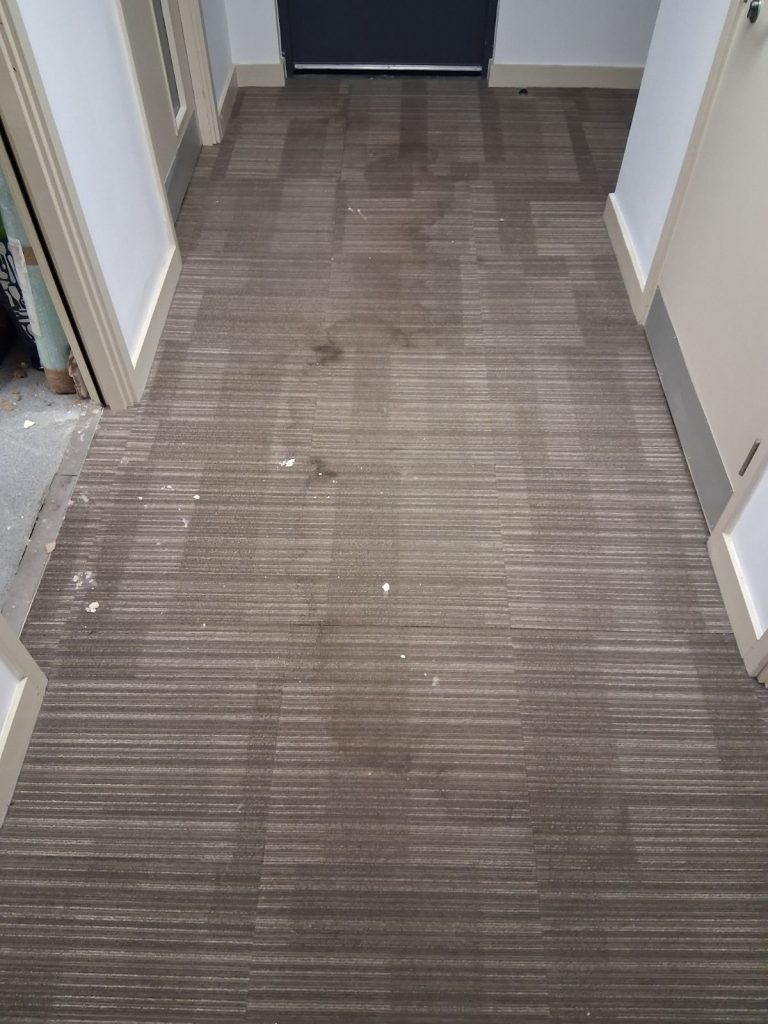
1. How does surface cleaning compare with deep extraction
Standard janitorial methods, such as dry vacuuming or bonnet cleaning, only treat the top 20–30% of fibres. Hot water extraction (HWE) provides a structural deep clean:
- Deep flushing: Injects heated solutions under pressure to break down oily soil matrices.
- Effective extraction: High-powered suction removes suspended dirt, pathogens and moisture, preventing “wicking,” mould or delamination.
2. Protecting your investment & ROI
Commercial carpet is a major capital asset. Professional maintenance can extend its life by 50–100% by:
- Preventing abrasion: Removing trapped grit that acts like sandpaper, causing premature wear and thinning.
- Maintaining structure: Removing grease to prevent fibre matting and restoring backing integrity.
- Cost efficiency: Regular deep cleaning costs a fraction of the cost of full carpet replacement.
3. Improving indoor air quality (IAQ)
Carpets act as filters for dust, VOCs and allergens. When saturated, they re-release these particles into the air. Professional extraction restores filtering capacity by removing deep-seated allergens and neutralising pathogens and odours, creating a healthier environment.
Protecting your business image
Your flooring is a key financial asset and a vital part of the first impression your business makes. While immediate, informed spot-cleaning helps manage accidental spills, it is only a temporary defence against deep-seated dirt and bacteria.
For lasting cleanliness, optimal indoor air quality, and maximum carpet longevity, professional deep extraction is essential.
Partner with the experts
Rentokil Specialist Hygiene combines advanced hot water extraction for ongoing maintenance with deep textile expertise to tackle everything from everyday spills to complex biohazards. Our certified technicians work around your schedule to minimise disruption and protect your investment.
We provide tailored solutions to minimise operational disruption:
- Minimal downtime: Advanced low-moisture, rapid-drying systems.
- Flexibility: Cleaning is scheduled around your business hours.
- Expertise: Certified technicians trained in textile science and biohazard compliance.
- Proactive planning: Bespoke maintenance programmes combining emergency response with routine deep cleaning.
FAQs
Why shouldn’t I scrub a carpet stain?
Scrubbing breaks down and frays the carpet fibres (creating a fuzzy, worn appearance) and forces the spilt liquid deeper into the backing and underlay. Instead, always blot gently with a clean, white cloth.
How does carpet material change how stains are treated?
Different fibres have unique chemical tolerances. For example, wool is extremely sensitive to high pH levels and heat, which can cause shrinkage, while nylon is more resilient but can be damaged by bleach or heavy alkalis. You must identify the fibre type to choose the correct cleaning agent and temperature.
What is the best way to handle an accidental spill in the office?
Follow the “first aid” protocol: act quickly, work from the outside of the spill inward to prevent spreading, blot (don’t scrub) with a clean cloth, and avoid using harsh household cleaners or excessive water, which can cause permanent damage.
Why isn’t regular vacuuming enough for commercial carpets?
While vacuuming removes surface debris, it cannot reach deep-seated contaminants like grit, oils and bacteria that penetrate the carpet backing. Over time, these build up, causing wear, odours and potential health issues, making professional deep extraction necessary.
What is the TACT principle in carpet cleaning?
It is the foundation of effective cleaning, standing for Temperature, Agitation, Chemical and Time. Professionals balance these four factors to safely break down stain bonds and clean carpet fibres without causing permanent damage.