


Every breath taken indoors tells a story about the air around us, its freshness, warmth, and the unseen particles it carries. Each year on World Ventilation Day (8th November 2025), that story becomes more relevant, as this is the time of the year when we typically see the arrival of colder/wetter weather and office windows stay closed.
Restricting airflow through keeping windows and doors closed can lead to the air circulating through our buildings growing heavy with dust, bacteria and carbon dioxide. Whereas, well-maintained ventilation keeps air fresh, minds clear, and workplaces more productive.
The quality of indoor air shapes how people feel, think and perform. On 8 November, World Ventilation Day invites every organisation to take a closer look at their indoor environment and the systems that keep it healthy.
The winter challenge for workplace air
When heating systems start up and doors remain closed, airflow slows. Pollutants from cleaning products, printers and kitchens gather in the air, while moisture and carbon dioxide increase. Over time, this can make people feel sluggish, uncomfortable, or unwell.
Pollution levels indoors can reach up to five times higher than outdoors. Research shows that we spend around 87% of our lives indoors, much of it at work. That makes how to improve indoor air quality an essential consideration for every employer. Evidence links poor ventilation to respiratory and cardiovascular problems that can quietly impact productivity and wellbeing.

Why ventilation and duct hygiene matters
Air systems are designed to circulate and filter the air we breathe. When ductwork collects dust, grease or moisture, it can send contaminants back into the workspace. Put simply, efficiency falls, costs rise, and air cleanliness declines. Rentokil Specialist Hygiene provides air duct and ventilation cleaning services which includes Preferred Vacuum Testing (PVT) to assess how clean your ventilation system is by measuring the levels of dust and debris deposits. Helping to restore airflow, improve efficiency, and ensure businesses comply with HSE ventilation standards under the Health and Safety at Work Act 1974.
Key indicators of poor internal air quality
- Rooms feel stale or humid, even when vents are open
- Staff report recurring headaches or dry throats
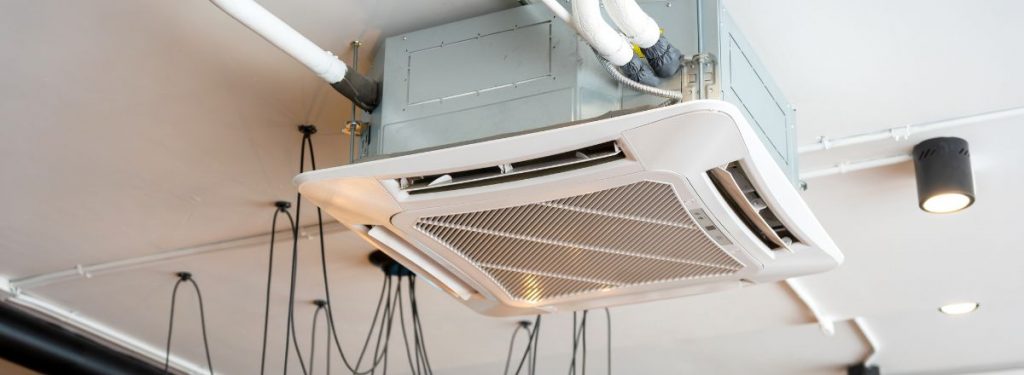
- Dust collects around vents and ceiling diffusers
- Odours appear when heating or cooling systems run
Early indoor air quality testing helps identify issues before they lead to health problems or costly repairs.
The business impact of poor internal air quality
Polluted indoor environments quietly affect focus and wellbeing. Improving indoor air quality can raise productivity by up to 10%. In contrast, poor ventilation increases illness, fatigue and absence rates.In workplaces such as hospitals, hotels and schools, unmanaged indoor air pollution can also lead to non-compliance, health risks and reputational damage. Regular cleaning, testing and maintenance prevent those outcomes and support safe, efficient operations.
How to improve indoor air quality in winter
Cleaner, healthier internal air quality depends on consistent upkeep and the right technology:
- Ensure you meet the required duct cleanliness requirements by carrying our regular PVT testing.
- Schedule professional duct cleaning to remove dust, grease and microbial growth.
- Replace or clean air filters frequently to maintain steady airflow.
- Use Rentokil’s air purifier to reduce allergens, odours and fine particulates.
Meeting your legal responsibilities
Under the Health and Safety at Work etc. Act 1974 and the Occupiers’ Liability Act 1984, employers have a duty of care to maintain a safe and healthy environment. The Approved Code of Practice accompanying the Workplace (Health, Safety and Welfare) Regulations 1992 states that indoor air quality should be at least equal to, and ideally better than, the air outside your building.
Fresh air, clear thinking
Air quality directly affects focus, comfort and welfare. World Ventilation Day is a timely reminder that experiencing fresh air needs care and consistency, not chance.If your ventilation system hasn’t been inspected recently, now is the time to act. Contact Rentokil Specialist Hygiene to arrange an air duct cleanliness and hygiene assessment and give your workplace a cleaner, healthier start to the season.