

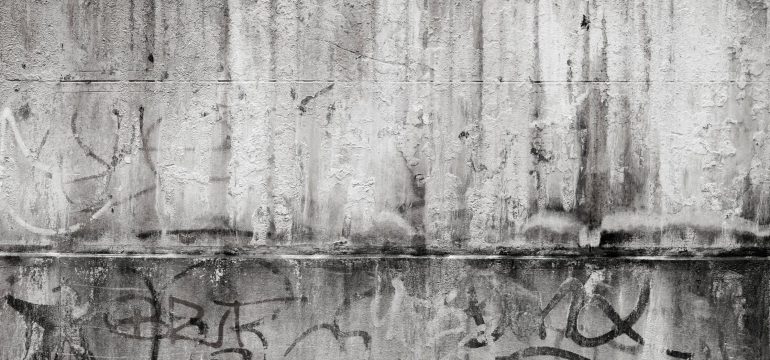
Discovering graffiti on your property is seldom a pleasant experience. Whether it’s a small “tag” on a residential wall or more extensive vandalism across a commercial storefront, the initial reaction is often frustration and a desire for a swift clean-up. It may be tempting to grab whatever solvents or abrasive tools are available to attempt to restore your premises as quickly as possible.
However, what appears to be a simple task can quickly turn into a costly mistake. The main risk of DIY removal is the lack of understanding of the nuances needed for different materials. Whether it’s Victorian brickwork, modern cladding or natural stone, each building material has a unique chemical composition and porosity.
DIY graffiti removal methods can cause permanent damage, such as ghosting, the lasting shadow of the graffiti, or unsightly tidemarks that can be expensive to repair.
In this blog, we examine the physical degradation of building materials and how chemical mishandling can leave behind a ghost image of graffiti through capillary action, wicking and chemical burning.
Physical degradation and surface erosion
The physical removal of graffiti paint with a pressure washer or abrasive tools might seem like a quick option, but it can cause physical damage to the building surface.
- Spalling and pitting: Excessive pressure from a pressure washer, wire brushes or abrasive pads can damage the surface of masonry, leading to pitting, cracking and flaking.
- Loss of brick fire skin: When following the lines of the graffiti with a high-pressure jet, the fire skin (the protective outer layer) of the bricks is stripped away. Even if every trace of paint is removed, the ghost image can persist because the texture of the wall where the graffiti once was is now different from the surrounding area, often appearing lighter, rougher, or more prone to holding dirt. This also exposes the softer, porous interior, accelerating weathering and structural decay.
- Irreversible texture changes: Modern cladding and natural stone have specific porosities. Using the wrong tool can permanently alter the texture, making the treated area stand out even if the paint is gone.
How chemical mismanagement can cause ghosting
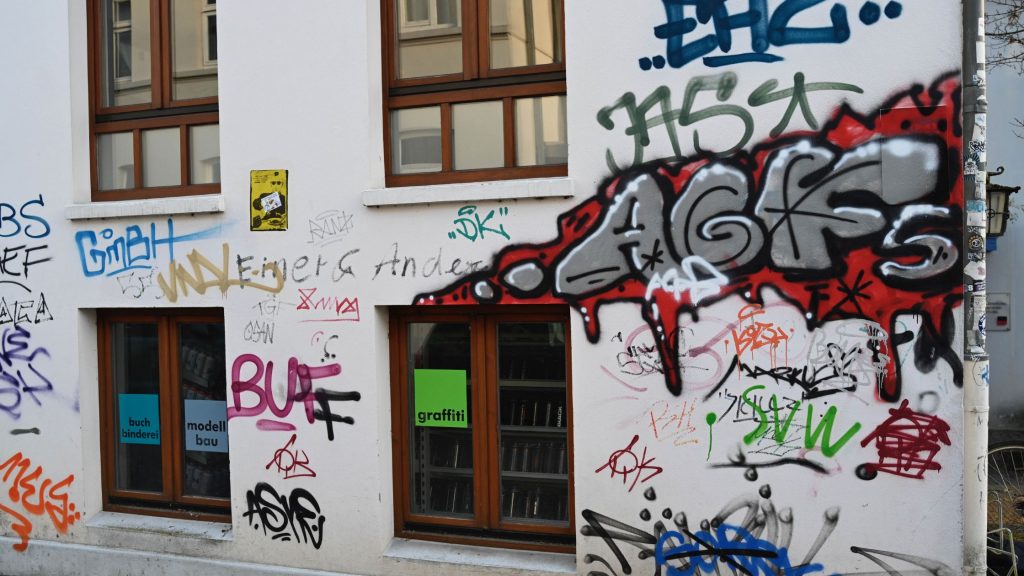
Ghosting (or shadowing), where a translucent outline of the original graffiti remains visible, is one of the most common failures of DIY graffiti removal. This isn’t just a leftover stain; it’s a chemical error. Without a professional assessment of the material affected, using a generic solvent risks causing a more lasting problem.
1. Failure to remove the pigment due to capillary action and pigment migration
Most building materials, particularly brick, sandstone and concrete, are naturally porous. At a microscopic level, they are filled with tiny holes and channels. When spray paint is applied, the paint solvent pulls the finely ground pigments deep into these pores through capillary action.
During a DIY removal attempt, you might successfully remove the binder (the part of the paint that sits on the surface), but the pigments trapped deep within the substrate remain. This creates a shadow that appears to be underneath the surface of the stone or brick.
2. The wicking effect of the wrong solvents
Another common mistake in DIY removal is using generic paint thinners or high-strength solvents without understanding the paint chemistry. These solvents can actually make things worse. Instead of lifting the paint, they re-liquefy it and thin it down so much that it flows even deeper into the material’s microstructure. This process, known as wicking, effectively dyes the stone from the inside out, making the ghosting permanent.
3. Chemical burning or etching
Using the wrong pH cleaner can cause a permanent chemical change in the substrate. For instance, applying an acidic cleaner to an acid-sensitive stone, such as limestone or marble, can cause a burn or etching. This reaction leaves a permanent mark in the form of the original graffiti, which no further cleaning can resolve, and often requires specialist stone restoration to fix.
The health and safety considerations of graffiti removal
While surface damage is a significant concern, the risks to personal safety and the environment are even more critical. Attempting a DIY clean without proper training, equipment, or protection can lead to health complications, environmental damage and legal liabilities.
1. The hidden dangers of chemical exposure
Many industrial-strength graffiti removers contain high concentrations of volatile organic compounds (VOCs) and corrosive agents. Without high-level personal protective equipment (PPE), such as industrial-grade respirators, chemical-resistant gloves and eye protection, users are at risk of inhaling toxic vapours or suffering skin and eye burns.
The UK Health and Safety Executive (HSE) notes that exposure to certain solvents can cause immediate effects such as dizziness and nausea. Long-term exposure can even lead to more chronic respiratory or neurological issues. Professional technicians operate under strict COSHH (Control of Substances Hazardous to Health) regulations, ensuring that every chemical used is assessed for risk and handled with the appropriate safety measures that are rarely available to the general public.
2. Preventing environmental contamination
A major oversight in DIY graffiti removal is the management of chemical run-off. When solvents are applied to a wall and then washed away, the resulting slurry often contains a mixture of toxic cleaning agents and dissolved paint pigments. If this liquid enters the soil, groundwater or the wastewater system via surface drains, it can cause significant damage to the local ecosystem.
Under the Environmental Protection Act 1990, property owners can be held liable for allowing hazardous substances to enter the water system. Professional cleaning services utilise containment methods, such as bunding or absorbent booms, to capture run-off at the source. This ensures that the clean-up does not result in an environmental incident or a heavy fine from the Environment Agency.
3. Navigating physical hazards at height
Graffiti is rarely applied at eye level; graffiti vandals frequently target high or awkward spots to ensure their “tag” remains visible for longer. Attempting to reach these areas using domestic ladders or makeshift platforms is a high-risk activity that often leads to falls and serious injury.
Working at height carries the risk of falls and injury, and requires training and the right equipment to work safely. Professional cleaning teams are trained in the use of specialist access equipment, such as MEWPs (mobile elevating work platforms) or scaffolding towers, and hold the necessary certifications to operate them safely. By choosing a professional service, you eliminate the physical risks to yourself or your employees, ensuring the job is completed safely and efficiently without resorting to dangerous improvised solutions.
The advantages of a specialist graffiti removal service
The primary advantage of a professional graffiti removal service is the depth of technical expertise applied to the specific substrate. Unlike DIY attempts that often rely on abrasive scrubbing or generic solvents, professionals conduct a detailed assessment of the surface and the specific medium used.
This precision ensures that the removal process does not lead to ghosting or the wicking of pigments deeper into the material’s pores. By using cutting edge technology like EcoBlasting, specialists can lift paint layer by layer without stripping the protective fire skin of bricks or causing permanent pitting, ultimately preserving the structural integrity and aesthetic value of the property.
Beyond the technical results, a specialist service ensures total compliance with health, safety and environmental regulations. Professional technicians operate under strict COSHH guidelines, using high-level PPE and containment systems to prevent toxic run-off from entering local groundwater or drainage systems. This eliminates the legal and environmental risks associated with amateur clean-ups.
A professional service can also provide a future-proof solution by applying anti-graffiti coatings. These coatings create a barrier that prevents future tags from bonding to the surface, making any subsequent removal a straightforward and cost-effective task while ensuring your premises remain a top-class environment for visitors and staff alike.