

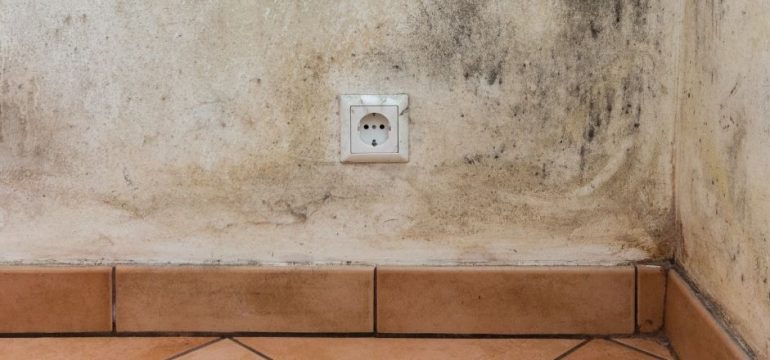
Walk into any damp corner of a home or rental property, and you might notice a sour, earthy smell hanging in the air. The paint feels clammy, the wallpaper curls at the edges, and in the shadows, dark patches begin to spread like bruises across the wall. This is black mould. It is tenacious, unpleasant, and a clear marker that something in the building is failing.Black mould is not a housekeeping issue. It is a symptom that your property is absorbing moisture faster than it can release it. It reveals weaknesses in ventilation, insulation, drainage, or building fabric. For tenants, landlords, and homeowners, it poses health risks and legal consequences that cannot be ignored.
The Science Behind Black Mould
Black mould almost always thrives where excess moisture lingers. Condensation, penetrating damp, leaking pipes, poor ventilation, and cold internal surfaces create the perfect conditions for spores to settle and grow.
It often appears in:
- Bedrooms with insufficient airflow
- Kitchens and bathrooms where steam collects
- Behind furniture pushed tightly against cold walls
- Around window frames where warm indoor air meets cold outdoor air
Mould spores are present everywhere in tiny quantities. They become a problem when moisture feeds them, allowing them to colonise surfaces. Once visible growth appears, the surrounding air can hold higher concentrations of these spores, which is one reason mould can trigger health issues.
The Health Concerns Linked to Black Mould
People react differently to mould. For some, it triggers mild irritation. For others, particularly those with asthma, allergies, respiratory conditions, weakened immune systems, or very young children, the effects can be more serious.
According to the NHS, prolonged exposure to mould can contribute to respiratory infections, worsen asthma, irritate the airways, and cause allergic reactions.
Common symptoms connected to mould exposure include:
- Wheezing
- Runny or blocked nose
- Red or itchy eyes
- Skin irritation
- Persistent coughing
Families may notice these issues easing when away from the property, only to return when back indoors. This is a crucial sign that there is an environmental cause rather than a medical one.
Awaab’s Law and What it Means For Housing Providers
The death of two-year-old Awaab Ishak brought national attention to the dangers of mould in social housing. The government responded by introducing Awaab’s Law, a reform that holds landlords accountable for tackling damp and mould quickly and consistently.
For clarity, here are the core requirements that must be met, since the law came into effect on 27 October 2025:
Investigation timelines
Landlords must investigate damp and mould complaints within 10 working days.
Repair timelines
Once a hazard is identified, landlords must begin repairing or treating it within five working days.
Emergency hazards
Life-threatening hazards must be made safe within 24 hours.
These requirements apply to social housing providers, but private landlords are expected to take similar responsibility under existing fitness for habitation rules. The aim is simple. No tenant should live with dangerous damp or mould, and no landlord should delay action once notified.

Can You Remove Black Mould Yourself?
Small patches of mould under one square metre can sometimes be DIY treated safely. Before attempting this, it is essential to protect yourself and prevent spores from spreading.
Safety first
- Wear gloves, long sleeves, and an FFP3 grade mask
- Use goggles to protect your eyes
- Open windows to improve ventilation
- Avoid dry brushing, which can release spores into the air
Cleaning a small area
- Lightly spray the affected area with a mould-specific cleaning product
- Wipe the surface using disposable cloths
- Double bag the waste before disposal
- Wash hands and any exposed skin after cleaning
DIY removal is a short-term measure. If the moisture problem remains, mould will return.
When Professional Removal is Essential
Some situations require specialist support. If mould covers several areas, keeps returning, follows a leaking pipe, or is linked to structural faults, professional treatment is the only safe option.Rentokil Specialist Hygiene provides a complete mould remediation service designed to treat both the visible growth and the underlying cause.
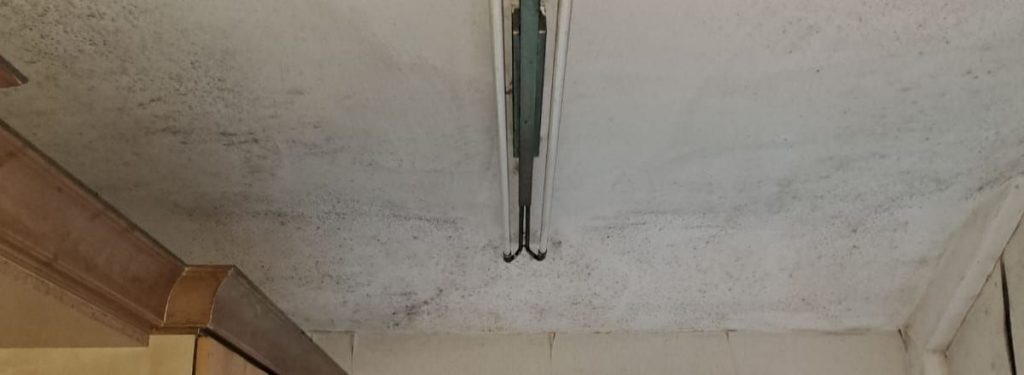
Our Process Includes:
Specialist Property Survey
A trained RSPH technician inspects affected rooms, identifies moisture sources, and determines the safest treatment approach.
Targeted Mould Treatment
Surfaces are cleaned using specialist techniques that prevent spores from drifting into surrounding areas:
- Biocidal Elimination – Professional-grade biocides are used to neutralise mould at the root. These products are far more effective than household cleaners.
- Mould Clear Ultimate – A long-lasting treatment that helps prevent regrowth. This solution supports healthier indoor environments and is especially valuable for landlords who must remain compliant under Awaab’s Law.
Protecting Tenants and Properties Starts With Action
Black mould is a warning sign. It indicates that moisture has entered the building fabric and will remain there until the source is addressed. For landlords, the law sets clear expectations. For homeowners, the health risks and potential property damage are reason enough to act early.
If your property has visible mould, a persistent damp smell, or tenants reporting ongoing respiratory symptoms, professional remediation is essential.
Rentokil Specialist Hygiene can inspect, treat, and protect your property with effective mould removal solutions that support healthy living conditions.If you need help tackling black mould, contact our team at Rentokil Specialist Hygiene to arrange a property assessment and keep your building safe for everyone who lives or works inside.