

(Reading time 5 mins)
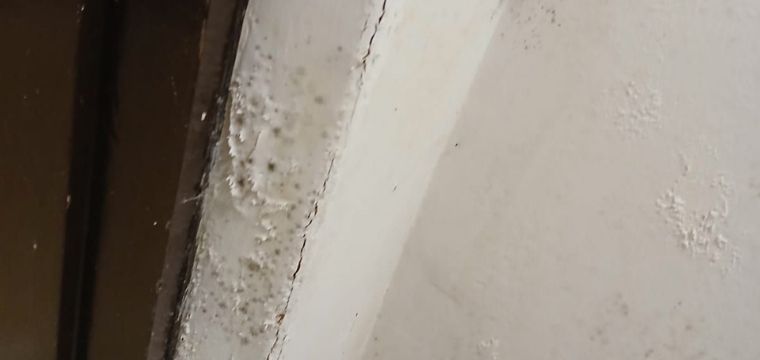
White mould is a common but often misunderstood issue in homes experiencing dampness. Rather than indicating a single species of mould, it indicates that indoor moisture levels have become critically high. For property managers and homeowners, the appearance of white, hyphal growth is frequently the first warning sign of a developing damp problem which if ignored, could cause significant structural damage and pose a health risk.
One of the hidden aspects of indoor fungi is the transition from initial germination to full maturation. Many medically significant species, including Aspergillus and Cladosporium, appear white or off-white during their early growth phases. At this stage, the mycelium (the vegetative part of the fungus) is active but has not yet produced the pigmented spores that give “black mould” its characteristic dark appearance.
This “invisible” stage is a window of opportunity. Spotting fungal growth while it is still white gives time to take action before the colony reaches full maturity, the damp and mould cause more damage, and spores are dispersed throughout the building. This article covers:
- Types of mould in domestic and commercial buildings
- The mould lifecycle and colonisation
- What are the health risks of white mould?
- Why professional intervention is the only solution
- Don’t let white mould compromise your health
Types of mould in domestic and commercial buildings
While there are many specialist fungi species, most of the white-coloured mould growth found in UK properties belongs to a group of generalist moulds. Genera such as Aspergillus and Penicillium are the most prevalent white fungi encountered in domestic and commercial settings.
These species are highly adaptable, capable of colonising a wide array of substrates from gypsum plaster and wallpaper paste to timber and soft furnishings. Because these generalists thrive in the temperate microclimates common in modern buildings, their presence indicates that the indoor relative humidity has likely exceeded the 70% threshold required for fungal colonisation. Understanding the nature of these species is the first step in moving beyond superficial cleaning, towards professional, long-term environmental control.
Common household materials that mould can colonise
White mould adapts its appearance based on the material it colonises.
| Substrate | Common fungal species | appearance & characteristics |
|---|---|---|
| Wall & Plaster | Aspergillus, Penicillium, Trichoderma | Thrive on gypsum and painted surfaces.Several Aspergillus species appear white or off-white in early growth stages. Penicillium appears white to blue-green when young. Trichoderma is initially white and fluffy. |
| Timber & floors | Fibroporia vaillantii, Antrodia | Produce white mycelial strands or white rot. |
| Wallpaper | Penicillium, Chaetomium | Feeds on adhesive paste; Chaetomium degrades cellulose. |
| Grout & sealant | Aspergillus, Fusarium, Acremonium | Common in wet rooms. Colour ranges from white to pink. |
| Fabrics & carpets | Penicillium, Cladosporium | Very common on natural fibres like cotton or wool. Cladosporium can appear whitish when young. |
| Houseplant soil | Sclerotinia, Leucocoprinus | Produces distinctive white cottony growth or small mushrooms. |
Sources: Moulds and mycotoxins indoors II: Toxicological perspective
Mould and Indoor Air Quality: A Guide for Building Owners and Indoor Environment Professionals
The mould lifecycle and colonisation
Mould has a four-stage lifecycle: spore germination, hyphal growth, maturation and sporulation.
- Germination: The cycle begins when airborne spores land on a surface with suitable moisture and nutrients (e.g. cellulose, wood, food). The spore germinates if conditions are right: high humidity (>65%) or active dampness.
- Hyphal growth stage: The germinated spores produce microscopic, thread-like filaments called hyphae, which absorb nutrients and moisture from the material. These hyphae grow, divide and intertwine, forming a network called a mycelium. This is the vegetative, feeding part of the fungus that penetrates the surface of materials and breaks them down for its nutrition.
- Maturation and reproduction: Once the colony is established, it starts to produce new spores in a structure called the sporangium, often appearing as visible patches of mould.
- Spore dispersal: Spores are released into the air or carried by water or insects to find new, damp environments to start new colonies and repeat the cycle. The microscopic spores can stay airborne for long periods, being carried on air currents to new areas in a building or from outdoors. Their small size (2–100µm) allows them to spread widely in air currents. They can settle on dry surfaces and become airborne again by physical disturbance.
How long do mould spores live?
Mould spores are adapted for durability and can remain viable in a dormant state on dry surfaces for decades under the right conditions. Factors that extend spore survival are moderate temperatures (5–25°C), low moisture and low UV light, which are typical conditions found in places such as roof voids, wall cavities and beneath floorboards.
In contrast, under high UV (sunlight), extreme heat (> 50°C), chemical disinfectants (e.g. bleach, hydrogen peroxide), they may only last for hours to days.
Their adaptations for longevity include thick cell walls containing melanin, which filter UV radiation and make them resistant to desiccation, as well as protective compounds in the spore cytoplasm and a very low metabolic rate. This also makes them resistant to mould-killing chemicals.
Environmental triggers for mould colonisation and growth
Several conditions in houses are favourable for mould colonisation and growth, even when the middle of a room feels dry.
- Humidity levels: Most moulds colonise when surface relative humidity (RH) exceeds 70%. Some species, such as Penicillium, germinate at 78–80% RH.
- The temperature sweet spot: Domestic moulds thrive between 15–25°C.
- Condensation and surfaces: Mould often forms on “thermal bridges”, which are cold surfaces such as north-facing walls or single-glazed windows where air reaches its dew point, and moisture condenses.
- Poor ventilation: Stagnant air and furniture pushed against poorly insulated external walls create microclimates that trap moisture and enable mould growth.
What is active and inactive mould?
Mould can be active, inactive or dead, but each stage can be a threat to health.
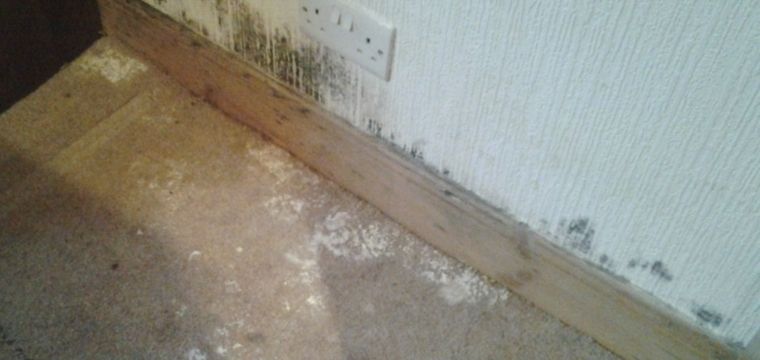
- Active mould: In the active stage, mould colonies form, feed on and damage the materials they infest. One of the most misleading aspects of indoor fungi is the transition from initial germination to full maturity. Many clinically important species, including Aspergillus and Cladosporium, appear white or off-white during their early growth stages. At this point, the mycelium (the vegetative part of the fungus) is active but has not yet produced the pigmented spores that give black mould its distinctive dark appearance.
- Inactive mould: Mould can become inactive if environmental conditions are unsuitable for growth i.e. too cold or dry. It can then enter a dormant stage in which growth can quickly restart when moisture and temperature are suitable. As mentioned above, mould spores are designed to be inactive (dormant) for long periods in suitable conditions.
- Dead mould: Environmental conditions or treatments, such as heat or chemicals, can kill mould but leave behind mould or dust and fragments from the mould. These retain some of the same health hazards of the live mould. See the health risks below.
What are the health risks of white mould?
White mould can be dismissed as a minor aesthetic issue or “just a bit of damp”, but it represents a significant clinical risk to building occupants.
1. Respiratory and allergic sensitisation
The most common impact of indoor mould is the triggering of various immune responses. Moulds such as Penicillium and Cladosporium release microscopic spores that, when inhaled, are potent allergens.
- Allergic rhinitis: Occupants may experience persistent sneezing, runny noses or red, itchy eyes, often mistaken for seasonal hay fever but persisting year-round.
- Asthma exacerbation: For those with pre-existing asthma, white mould spores can trigger frequent and more severe attacks. Long-term exposure in previously healthy individuals, particularly children, has been linked to the development of asthma.
- Bronchitis and coughing: Chronic inhalation of spores causes inflammation of the airways, leading to persistent coughing and wheezing.
2. Invasive fungal infections
Certain species of white mould are opportunistic pathogens. Aspergillus, one of the most common moulds found on damp plaster and insulation, is the primary cause of aspergillosis.
- Invasive aspergillosis: A severe condition where the fungus invades body tissues, typically the lungs. While rare in healthy individuals, it is a critical risk for those with weakened immune systems (e.g. those undergoing chemotherapy or with autoimmune conditions).
- Aspergilloma: In some cases, a “fungal ball” can develop in the lungs, which requires complex medical intervention.
3. The danger of mycotoxins
Certain white moulds, such as Aspergillus flavus and species of Trichoderma, produce toxic compounds, termed mycotoxins.
- Airborne toxins: Microscopic particles of mould containing these toxins can sit on dust particles, be released into the air or be made airborne when physically disturbed.
- Health impact: Mycotoxin exposure has been linked to a range of “sick building syndrome” symptoms, including chronic fatigue, nausea, and cognitive impairment (often described as “brain fog”).
4. The risks of dead mould
Dead mould has the same irritant, toxic and allergen risks as live mould, even after treatment with chemicals.
- Persistent allergens: Dead mould and its fragments still contain the same proteins that trigger allergic reactions. Exposure can cause sneezing, a runny nose, red eyes and skin rashes.
- Retained mycotoxins: Harmful toxic substances produced by living mould (mycotoxins) remain potent even after the parent organism has died. These can cause serious health complications if inhaled.
- Respiratory irritation: Dead spores and fragments can dry out into a fine, lightweight dust that easily becomes airborne. Once inhaled, they can irritate the airways, leading to coughing, wheezing and chest tightness.
- Trigger for asthma: Even if the mould is inactive, it can still trigger asthma attacks in sensitive individuals.
5. Who is at most risk from moulds?
Following the 2023 UK Government consolidated guidance (developed after the tragic death of two-year old Awaab Ishak), the UK Health Security Agency (UKHSA) has identified specific groups who are at the highest risk from damp and mould:
- Infants and children: Their developing respiratory systems are significantly more susceptible to permanent damage from mould exposure.
- The elderly: Naturally weaker immune responses make respiratory infections more difficult to fight.
- Immunocompromised individuals: Those with underlying health conditions or those on specific medications are at the highest risk of invasive infections.
- Pregnant women: Increased physiological stress can make the body more reactive to environmental toxins.
Why professional intervention is the only solution
When it comes to white mould, a “wait and see” approach or a quick DIY scrub is rarely enough. Because white mould is often the precursor to more aggressive fungal growth or an indicator of deep-seated structural damp, professional intervention is essential to protect both your property and your health.
Safe and effective remediation
Removing mould safely requires preventing the dispersal of spores into the rest of the property.
- Containment: The use of specialist equipment ensures that microscopic spores and mycotoxins are not aerosolised during the cleaning process.
- Professional-grade antimicrobials: Specialist treatments can eliminate mycelial growth on various substrates, from porous plaster to delicate timber.
- Safe disposal: Remove any contaminated materials (such as wallpaper or soft furnishings) and dispose of them following strict hygiene protocols.
Prevention and environmental control
Following the latest UKHSA guidance, stabilise the indoor environment:
- Humidity management: Implement strategies to maintain indoor relative humidity between 40–60%, the “gold standard” for preventing fungal germination.
- Ventilation solutions: Identify where air-change rates are insufficient and make improvements to remove daily moisture loads from showering, cooking and laundry areas.
- Insulation advice: Identify cold spots where condensation occurs and provide guidance on improving surface temperatures to eliminate the dew point.
Don’t let white mould compromise your health
If you’ve spotted white, fluffy growth or powdery deposits in your home, don’t ignore the warning signs. Protect your family and your property with a professional mould treatment.
At Rentokil Specialist Hygiene we can help with:
- Removal and cleaning of visible white mould from affected surfaces and surrounding areas
- Destruction of remaining mould using a safe but powerful fungicide application
- Removal of airborne mould spores using our Airtrinty air purifier throughout the treatment to restrict spread and control airborne respiratory irritants.
- Recommendations for further root cause analysis and remediation where present.
Contact Rentokil Specialist Hygiene today to book a comprehensive mould survey and take the first step toward a drier, healthier home.
FAQs
It indicates that indoor moisture levels have become critically high. It serves as an early warning sign of a developing damp problem that could lead to structural damage and health risks.
Some types of white mould are different species of fungi and some are immature fungi that will turn black later. Fungi such as Aspergillus and Cladosporium appear white or off-white before they mature and produce the pigmented spores that give black mould its characteristic dark appearance.
Even after treatment, dead mould fragments and spores retain the proteins that trigger allergic reactions and irritation. Furthermore, harmful mycotoxins produced by the living mould remain potent even after the organism has died, posing continued health risks.
The “gold standard” for preventing fungal germination is maintaining indoor relative humidity between 40–60%. Other factors, such as ensuring proper ventilation and managing cold spots (thermal bridges) are also critical.
According to the UK Health Security Agency, infants, children, the elderly, immunocompromised individuals and pregnant women are at the highest risk for serious health impacts from mould exposure. This makes it essential to deal with white mould promptly.