Mould Mites: Identifying, Risks & Effective Control
Mould Mites: What They Are and Why They Matter
Mould mites, also known by their scientific name Tyrophagus putrescentiae, are microscopic creatures that thrive in damp, mouldy environments. They are arthropods, belonging to the same family as spiders and ticks, but unlike their larger relatives, these mites are practically invisible to the naked eye. Measuring less than 0.5mm in length, you’d need a microscope to get a good look at them!
Where Do Mould Mites Thrive?
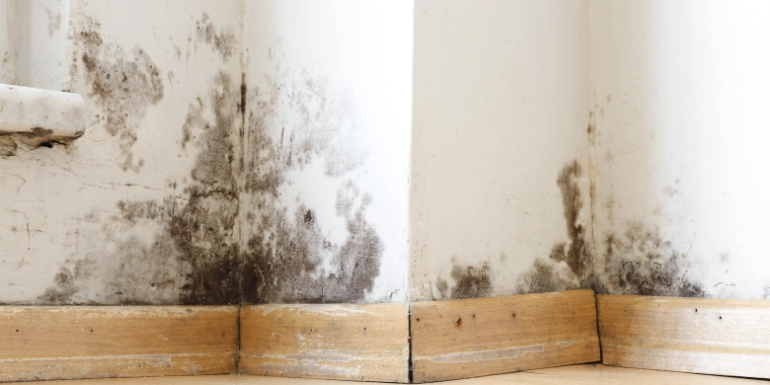
As their name suggests, mould mites love mould. More specifically, they feed on the spores produced by mould and fungi. This means they are typically found in areas with high humidity and dampness, where mould is most likely to grow. Think bathrooms with poor ventilation, kitchens with leaky pipes, and damp basements. They can also infest stored food products, particularly those high in protein and fat, such as cheese, flour, and dried fruits.
The Mould Mite Life Cycle
The life cycle of a mould mite is fairly simple. It starts with an egg, which hatches into a larva. The larva then develops into a nymph, and finally, into an adult. A female mould mite can lay hundreds of eggs in her lifetime, and given the right conditions (plenty of mould and moisture!), populations can explode in number very quickly.
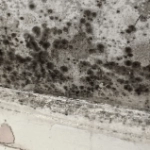
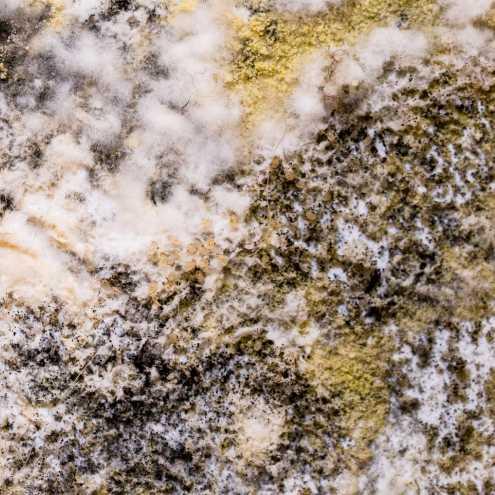 Close-up view of mould and fungus growth on a surface.
Why Should You Care About Mould Mites?
While mould mites themselves don’t bite, they can still cause problems for people. They can trigger allergic reactions and skin irritation, especially in those with sensitivities. However, the biggest concern with mould mites is that they are often a sign of a much bigger problem: a mould infestation.
Mould can pose significant health risks, triggering respiratory problems, exacerbating asthma, and potentially leading to other health issues. Therefore, if you notice signs of mould mites, it’s crucial to address the underlying mould problem.
Rentokil Specialist Hygiene: Your Partner in Mould Mite Control
Dealing with a mould mite infestation can be tricky, but you don’t have to face it alone. Rentokil Specialist Hygiene are experts in mould removal and remediation. Our experienced technicians can identify the source of your mould problem, eliminate the mould mites, and provide solutions to prevent future infestations.
If you’re concerned about mould mites in your home or business, don’t hesitate to contact us today for a free survey and quote. We’re here to help you create a cleaner, healthier environment.