Mould Mites and Allergies: Symptoms, Causes & Solutions
Do you suffer from sneezing, coughing, or itchy eyes, particularly in certain rooms or buildings? While many things can trigger allergies, microscopic mould mites could be an unexpected culprit. These tiny creatures, often invisible to the naked eye, thrive in damp, mouldy environments and can significantly impact your health, especially if you’re prone to allergies.
Mould Mites: Tiny Creatures, Big Impact on Allergies
Mould mites, scientifically known as Tyrophagus putrescentiae, are closely linked to mould growth. They feed on mould spores, so their presence often signals a larger mould problem lurking in your home or business. Mould itself is a well-known allergen, and mould mites can exacerbate allergic reactions, making symptoms even worse.
How Mould Mites Trigger Allergies
Mould mites produce allergens that can become airborne and easily inhaled. These allergens can trigger a range of reactions, including:
- Sneezing
- Coughing
- Runny nose
- Itchy or watery eyes
- Skin rashes
- Nasal congestion
If you already have allergies or respiratory conditions like asthma, you might be particularly sensitive to mould mite allergens.
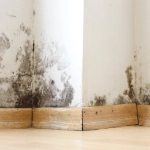
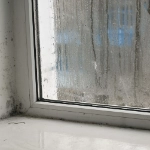
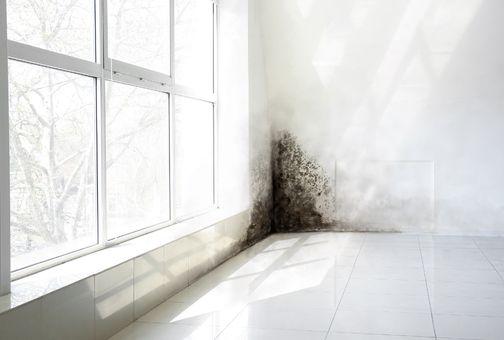 Black mould growing in the corner of a white room next to a window.
The Impact on Respiratory Health
For those with asthma and bronchitis, mould mite infestations can be particularly troublesome. Inhaling their allergens can trigger asthma attacks and increase inflammation in the airways, leading to:
- Difficulty breathing
- Wheezing
- Chest tightness
- Increased coughing
This can significantly impact your quality of life and may require additional medical intervention.
Beyond Allergies: Other Health Concerns
While allergies are a common concern, mould mites can contribute to other health issues as well:
- Skin Irritation: Mould mites can worsen eczema and other skin conditions, causing itching and discomfort.
- Infections: In some cases, mould mites can lead to infections, especially in individuals with compromised immune systems.
Creating a Healthier Indoor Environment
The key to minimising the impact of mould mites is to control mould growth. This means tackling excess moisture and dampness, which provides the ideal breeding ground for both mould and the mites that feed on it. Here’s what you can do:
- Ventilation: Ensure proper ventilation in areas prone to dampness, such as bathrooms and kitchens. Use extractor fans and open windows regularly to allow moisture to escape.
- Humidity Control: Use dehumidifiers in damp areas to reduce moisture levels and make the environment less hospitable to mould.
- Regular Cleaning: Clean surfaces regularly to prevent mould growth. Pay close attention to areas prone to dampness, such as bathrooms, kitchens, and window sills.
- Air Purification: Consider using air purifiers with HEPA filters to remove mould spores and other allergens from the air, improving your indoor air quality.
Rentokil Specialist Hygiene’s Air Care Solutions
Rentokil Specialist Hygiene offers a range of air care solutions to help you create a healthier indoor environment. Our services include:
- Air Purification: We provide high-quality air purifiers with HEPA filters, designed to effectively remove mould spores, dust mites, pollen, and other allergens from the air.
- Air Ventilation Cleaning: Airborne mould spores and other allergens can build up within your air ventilation system, circulating it further throughout your property. We provide expert cleaning services helping to reduce potential allergen health risks and maintain optimal air quality in your building.
Our expert technicians can help you choose the best solutions for your specific needs and ensure your home or business is a clean and healthy space.
Protecting Your Health with Rentokil
Mould mites may be tiny, but their impact on your health can be significant, particularly if you suffer from allergies or respiratory conditions. By addressing mould growth and improving indoor air quality, you can significantly reduce the risk of mould mite-related health problems.
If you’re concerned about mould mites in your home or business, don’t hesitate to contact Rentokil Specialist Hygiene today. Our experts can provide a free survey and recommend the best solutions to protect your health and create a cleaner, healthier environment for you, your family, or your employees.