How Can Deep Cleaning Help After the Party’s Over?
Christmas and New Year are officially over, and after the excessive celebrations of December, many businesses can see a dip in motivation in January, as people reluctantly head back to work following the holidays. With the cold and flu season firmly amongst us, the risk of bacteria and viruses spreading is increased, therefore businesses can’t afford to let any post-holiday slump lead to hygiene levels slipping.
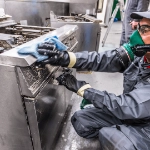
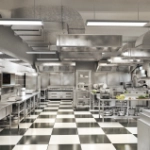
Hospitality businesses with a commercial kitchen are likely to understand better than anyone the strain the Christmas period can have on cleaning regimes. But in a food service environment, remaining compliant with hygiene standards is paramount to ensure the health and safety of both customers and employees. Whilst many will have a cleaning regime in place, it’s important to consider a further deep clean to comply with stringent cleaning standards. Here we discuss the steps needed for such a deep clean to kick start the new year.
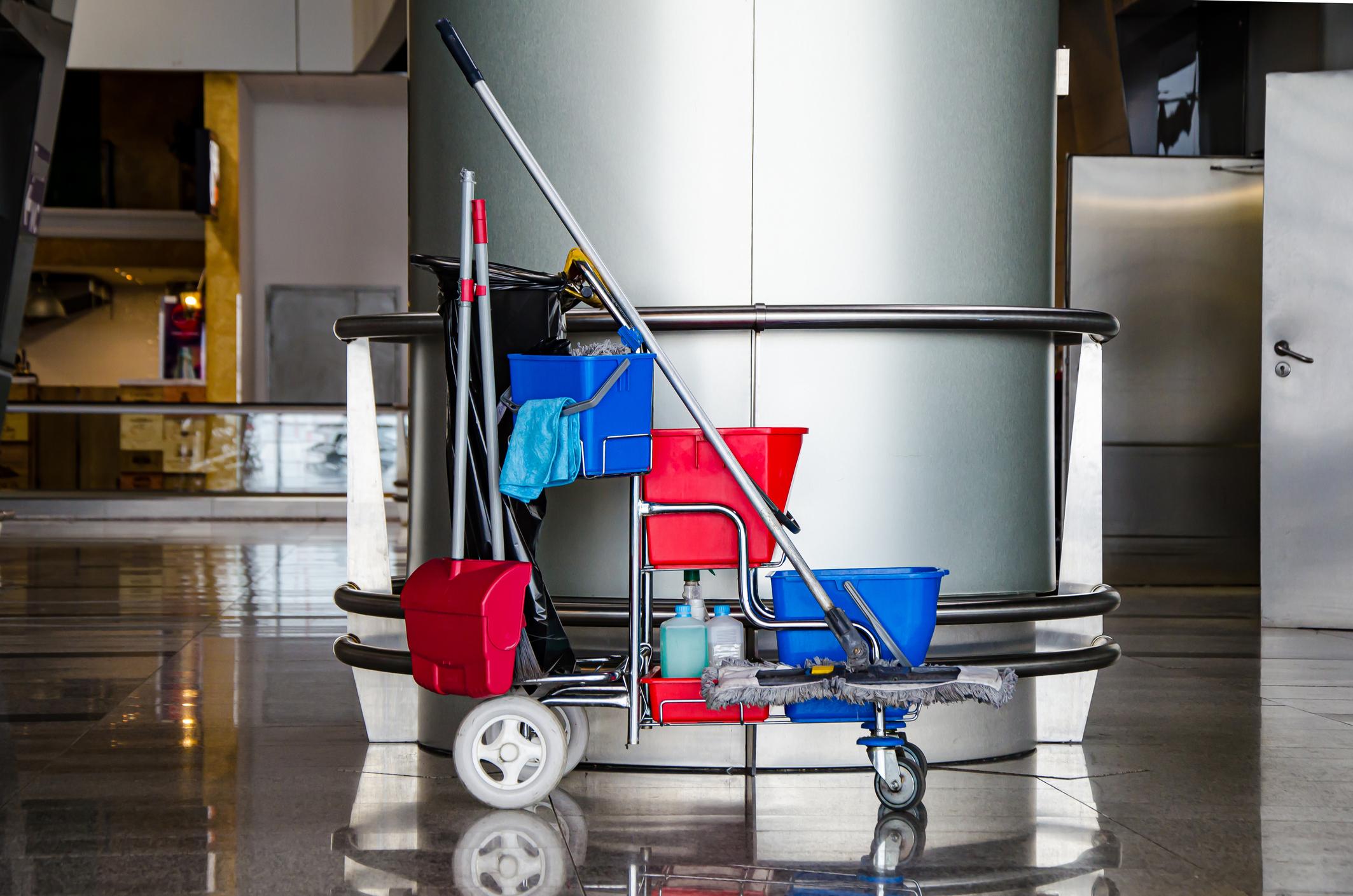 Professional cleaning trolley with mops, buckets, and supplies in a modern building.
Get Them in the Diary
Armed with your 2020 diary, it’s important that a thorough deep cleaning is scheduled in at least twice a year – particularly after busy periods such as Christmas. Deep cleans cover those areas that aren’t traditionally included in a day-to-day clean, for example behind equipment and kitchen fittings, and tackling any grime build-up in grease traps and vents. We recommend scheduling these to avoid peak periods and they are particularly important in winter. This is often when flu and norovirus outbreaks occur and when people tend to spend more time indoors, so cross contamination risks are higher.
High Level Deep Cleaning
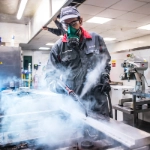
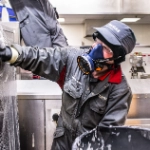
Cleaning those hard-to-reach areas can present unique challenges and safety risks, especially in areas that are high up. Specialist hygiene professionals have both the equipment and expertise to clean ceilings, lights, ducts and other hard to reach spaces. Technicians work to stringent health and safety standards and complete a thorough risk assessment before undertaking any cleaning operation.
Mobile lifts and cherry pickers allow technicians to reach elevated areas, while tools such as jet washers, backpack vacuums, water feed brushes and long reach poles enable the efficient cleaning of these difficult places to take place.
Don’t Forget about the Vents
Cooking on masses during the Christmas period will no doubt produce waste food, fats and grease in commercial kitchens. Hospitality businesses need to follow practical measures to avoid the build-up of dirt, grime and bacteria that results from this cooking in areas like grease traps and ventilation systems. Routine cleaning alone will not suffice.
Build-up in a grease trap can become very difficult to remove. If left untended, the trap will not only become ineffective, but may also become a source of unpleasant odours. This has a knock-on effect on ventilation systems where grease, carbon and steam build-ups can quickly form in ventilation ducts, creating a potential harbourage for mould and germs to generate. If you don’t tackle these with a deep clean, you could then be at risk of breaching the The Food Safety Act 1990 – which all hospitality venues are obliged to comply with. At Rentokil Specialist Hygiene, our kitchen ventilation cleaning process is also compliant with TR19 the guidance that standardises duct, kitchen extract, and air handling cleaning in the UK.
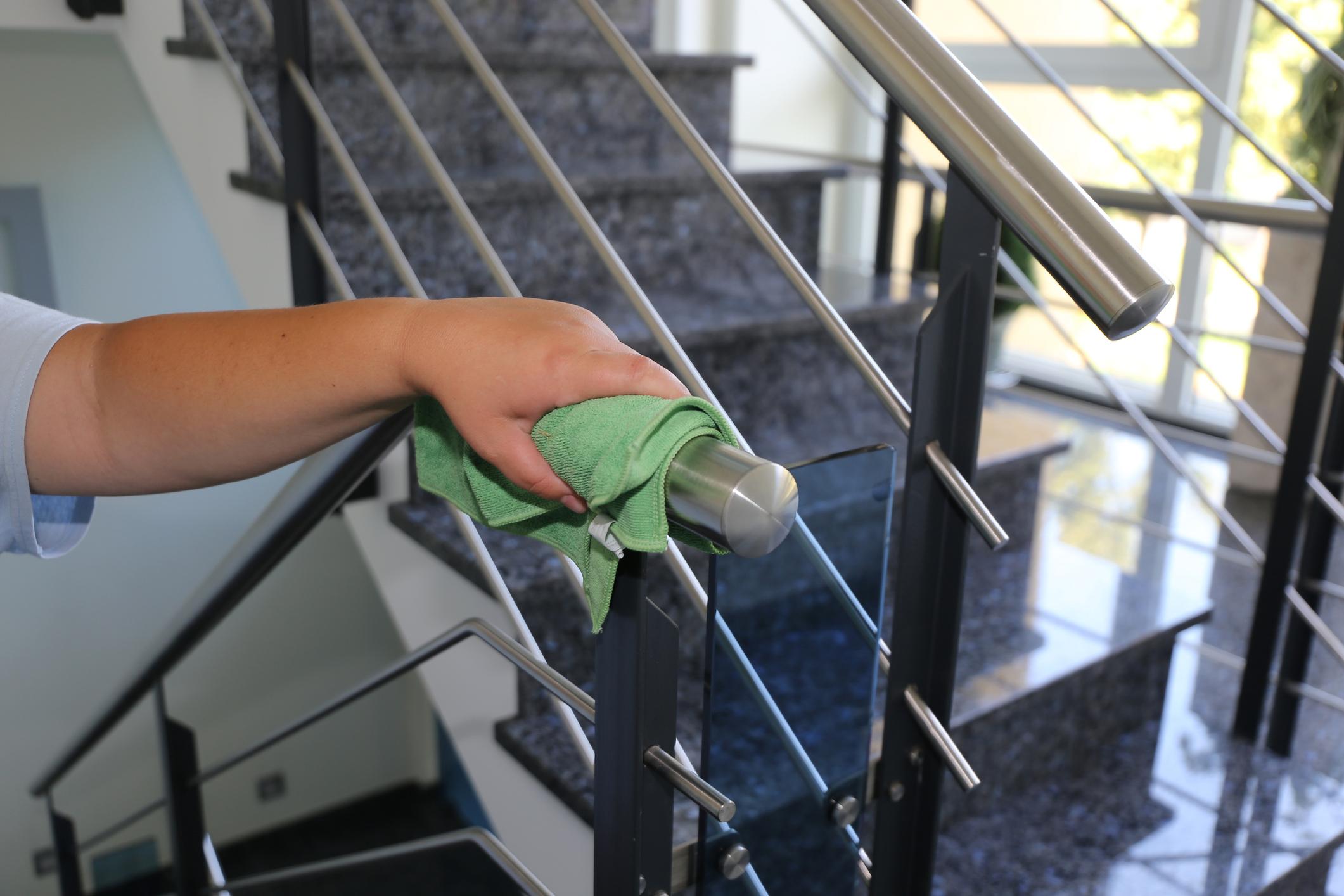 A hand cleaning a metal staircase railing with a green cloth.
Final Thoughts
As we enter a new decade, why not start the year off right and book in a deep clean to ensure your premise is hitting the mark when it comes to hygiene standards?